Winter brings its own set of challenges for UK homeowners. When temperatures drop and moisture increases, many people notice problems they’ve never seen before: damp patches that never fully dry, hairline cracks seeming to grow, or repeated condensation on cold walls. These common winter wall issues can feel unsettling, but understanding how they develop and what they signal can help you take the right action early.
Why winter wall issues appear
Cold weather, a wetter climate and extended periods of heating all change how your home behaves. In many UK properties — especially older ones in Surrey, London and Berkshire — walls act as heat bridges and moisture magnets. Without clear airflow and adequate insulation, moisture quickly accumulates where warm, humid indoor air meets a cold surface. Left unchecked, these issues can escalate from surface symptoms into structural concerns.
Condensation: the common winter culprit
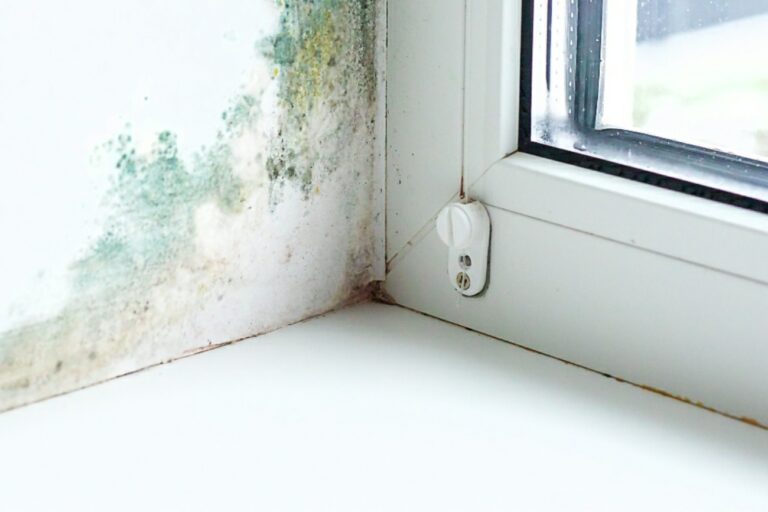
Condensation forms when warm, moist air hits a cold surface. In winter, the contrast between indoor air and cold external walls is greater than at any other time of year. Kitchens, bathrooms and bedrooms near cold walls are particularly at risk.
- Water droplets on windows and cold areas
- Musty smells in corners or wardrobes
- Black mould on ceiling junctions or window frames
Improving ventilation is one of the most effective ways to manage condensation — and a good starting point for tackling winter wall issues. The Energy Saving Trust offers clear guidance on ventilation and moisture control: Energy Saving Trust – ventilation advice.
Damp: when moisture is more than condensation
Damp is caused by external moisture entering the building fabric or by failures in moisture barriers. In winter, heavy rainfall and saturated soil can encourage water to penetrate walls that are not properly protected. Some common signs that what you’re seeing is more than condensation include:
- Tide marks or dark patches that persist after dry days
- Crumbly skirting boards or salt deposits near the floor
- Visible damp rising from ground level
If these symptoms appear, a professional assessment can identify whether rising damp, penetrating damp or another moisture issue is present. For more on damp diagnosis and treatment, see Damp Proofing.
Cracks that show up in winter
Cracks themselves are not always a sign of structural failure; many are caused by normal movement, shrinkage or temperature fluctuations. However, winter conditions can make them more visible and can worsen existing weaknesses. Hairline cracks often appear as walls contract in colder weather, while deeper, diagonal or stair-step cracks can indicate something more serious under the surface.
This differentiated understanding of wall cracks — and how to monitor them — is covered in our article: Hairline Cracks vs Structural Cracks.
Cold walls, heat loss and moisture retention
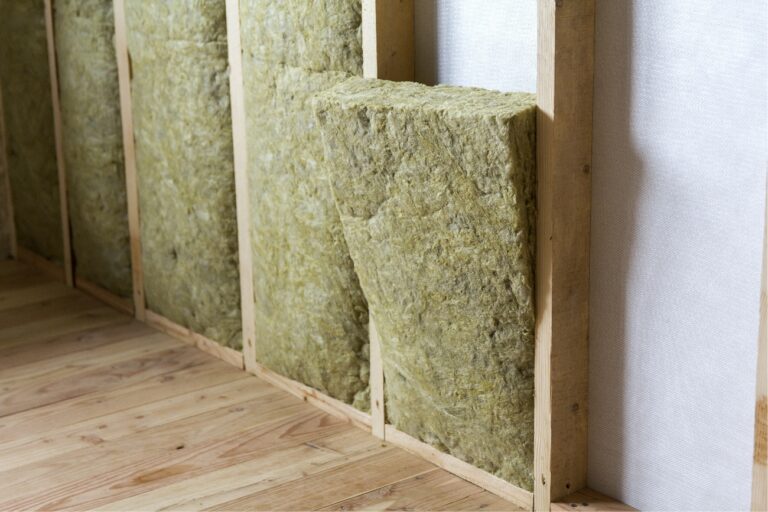
Cold walls not only feel uncomfortable, they encourage moisture to settle. When indoor air cannot circulate freely, and surfaces stay cold, that moisture has nowhere to go. This is why insulation matters: improving wall temperatures reduces condensation and makes winter wall issues easier to manage. For practical insulation options, see:
Simple winter wall checks you can make now
Start by walking around your home and looking for areas with:
- Cold or damp-feeling walls
- Repeated condensation on windows
- Black mould in corners or behind furniture
- New or widening wall cracks

Photograph and date these issues so you can monitor change over time. This helps professionals diagnose the cause more accurately when you consult them.
When to call in a surveyor
If your winter wall issues persist despite improving ventilation, raising internal temperatures and removing obvious moisture sources, a professional survey is the next step. A damp survey can differentiate between condensation, penetrating damp and rising damp and help guide the most effective treatment plan.
You can arrange a clear, expert inspection using our Surrey appointment page: Book a Damp Survey Surrey. A thorough survey gives you clarity before you invest in repairs.
Conclusion
Winter wall issues — including condensation, mould and cracking — are common in UK homes, but they don’t have to escalate into damaging damp problems. By understanding how moisture behaves in cold weather and acting early, you can protect both your comfort and your property value. Regular checks, simple ventilation and insulation improvements can make a significant difference in how your home performs through winter and beyond.
FAQs
What’s the difference between condensation and damp?
Condensation is caused by indoor humidity meeting cold surfaces; damp is moisture entering the building fabric from outside or through structural failures.
Will better insulation help reduce winter wall issues?
Yes — improved insulation raises surface temperatures and reduces the likelihood of condensation and mould formation.
When should I book a damp survey?
If moisture problems persist after ventilation fixes or you see persistent patches and tide marks, a professional assessment is recommended.