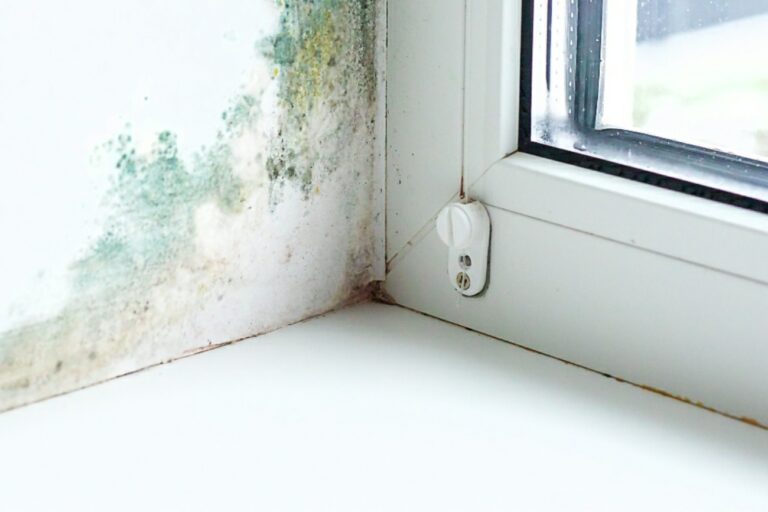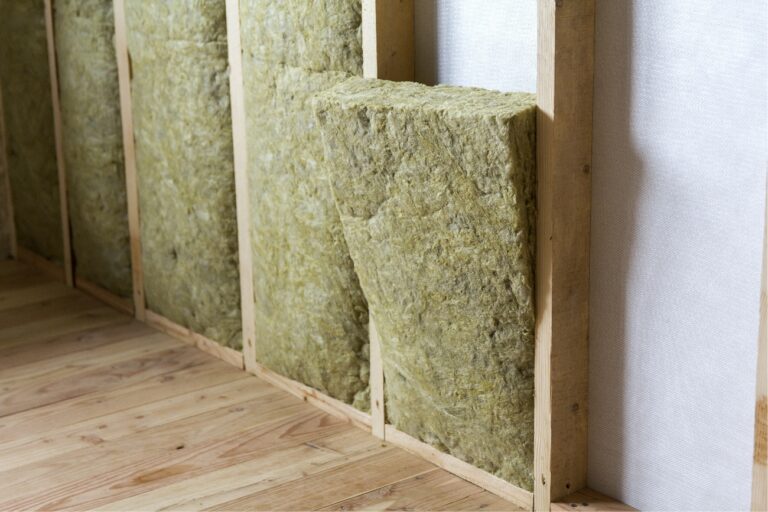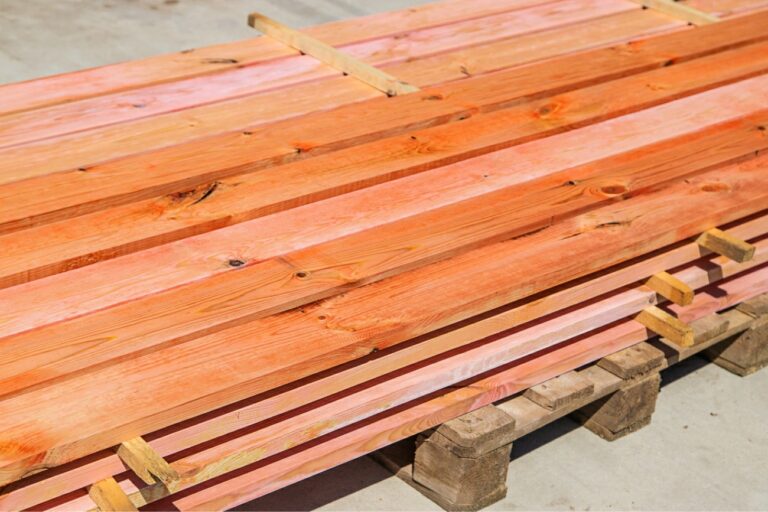
If timber in your home feels soft, looks stained or has started to crumble, it is natural to worry about rot. Two of the terms homeowners hear most often are wet rot and dry rot. They are not the same thing, and getting the diagnosis wrong can delay the right repair.
In many Surrey homes, timber decay starts quietly. You may notice a musty smell, peeling paint near a skirting board, a spongy floor, or a window frame that no longer feels sound. The good news is that early action can stop the problem from spreading and limit the repair work needed later.
If you already suspect moisture is affecting timber in your property, the best first step is to book a damp survey in Surrey so the source of the problem can be identified properly.
What is the difference between wet rot and dry rot?
Wet rot happens when timber stays damp for a sustained period. It is usually linked to a moisture source nearby, such as a leak, penetrating damp, overflowing guttering, failed sealant, or long-term condensation. The timber becomes weakened as fungal decay breaks down its structure.
Dry rot is also a fungal decay problem, but it is generally considered more serious because it can spread further through a property when conditions allow. It still starts with excess moisture, but it can affect adjoining timber if the underlying conditions are left unresolved.
Both problems need attention, but the treatment approach depends on what is present, how far it has spread, and what is causing the moisture in the first place.
Signs of wet rot
Wet rot is often found in areas where timber has been exposed to persistent dampness. Common examples include skirting boards, joist ends, window frames, timber near bathrooms, and wood affected by leaks or water ingress.
Typical signs include:
- timber that feels soft or spongy
- darkened or stained wood
- flaking paint on nearby surfaces
- a localised musty smell
- wood that cracks or crumbles as it weakens
Wet rot usually stays close to the moisture source. That is why finding the source matters just as much as treating the damaged timber itself.
Signs of dry rot
Dry rot can be more disruptive because it may spread beyond the area where the moisture problem first began. Homeowners sometimes notice damaged floorboards, weakened structural timber, a stronger musty odour, or visible fungal growth.
Possible signs include:
- cracking timber with a brittle feel
- wood that has lost strength
- fungal strands or growth on timber or nearby surfaces
- a more widespread pattern of decay
- damage in concealed spaces such as under floors or behind walls
Because dry rot can affect hidden timbers, it is not always obvious how far it has gone without a proper inspection.
Why homeowners often confuse the two
From a homeowner’s point of view, both wet rot and dry rot may begin with similar warning signs. You may see paint bubbling, notice a smell, feel timber softening, or spot staining near a wall or floor edge. That is why people often search online, guess the cause, and then treat the symptom instead of the source.
The same thing happens with damp. A musty smell does not automatically mean rot, and peeling paint does not always mean rising damp. Related Go2 guides include Musty Smells in Your Home? What They Mean and When to Investigate, Why Damp Keeps Coming Back After Repairs – And How to Fix It Properly, and Is Condensation or Rising Damp to Blame? How to Tell the Difference in Surrey Homes.
What causes timber rot in the first place?
Timber rot is a moisture problem first and a timber problem second. In most cases, the decay only gets established because the wood has been allowed to remain damp for too long.
Common causes include:
- leaking pipework
- penetrating damp from outside walls
- roof defects or damaged flashing
- failed render or pointing
- overflowing gutters or downpipes
- poor ventilation causing persistent condensation
If the moisture source is not resolved, the timber may continue to deteriorate even after cosmetic repairs or local patching.
Where wet rot and dry rot are commonly found
In homes across Surrey, timber decay is often found in places that are out of sight until the damage becomes more advanced. These include suspended timber floors, sub-floor voids, basements, roof spaces, window surrounds, skirting boards and hidden structural timbers.
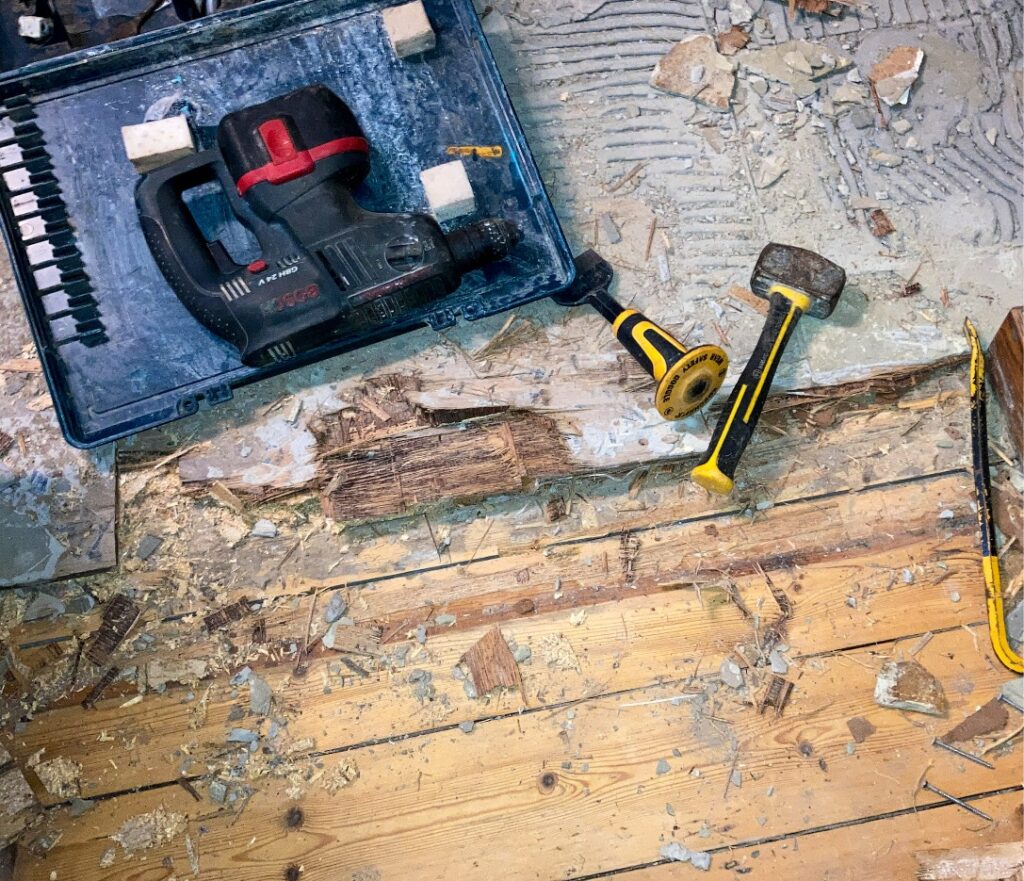
Older properties can be especially vulnerable where long-term damp issues have gone untreated or where ventilation is poor.
When should you arrange a survey?
You should consider arranging a survey if:
- timber feels soft, weak or springy
- there is a recurring musty smell
- paint keeps peeling near timber elements
- you have had a leak or damp issue that may have affected wood
- you are buying a property and timber decay has been mentioned
A proper inspection helps separate wet rot, dry rot, condensation-related damage and other moisture problems. If you want a clear diagnosis, you can book a damp survey here. You may also find this related guide useful: Damp Survey Surrey: When to Book One and What You’ll Learn.
What happens after the cause is identified?
Once the source of moisture has been identified, the next step is to stop it and assess how much of the timber has been affected. In some cases, the answer is targeted repair and preservation. In others, more extensive timber treatment may be needed.
Go2 provides specialist timber treatment services for problems including timber decay, and this can be combined with wider remedial work where damp is also involved. If moisture is affecting the surrounding walls too, you can also learn more about damp proofing.
Do not just cover it up
It is tempting to sand, fill and repaint affected timber, especially if the damage seems minor. The problem is that timber decay usually returns if the moisture source remains. Cosmetic repairs can make the area look better for a while, but they do not solve the underlying issue.
That is why diagnosis matters. If moisture is coming from damp masonry, failed external finishes or condensation, the surrounding building fabric may also need attention. For example, some homeowners also discover that cold surfaces are contributing to ongoing moisture problems. In that case, this Go2 article may help: Cold Walls but No Visible Damp? What It Means and How to Fix It.
Need help with suspected timber decay in Surrey?
If you have noticed soft wood, crumbling skirting boards, a musty smell or recurring damp near timber, it is worth getting it checked before the damage spreads. Wet rot and dry rot can both undermine the condition of a property, but early identification makes the right repair much easier.
Book a damp survey in Surrey or learn more about timber treatment from Go2 Property Services.
For broader background, Historic England advises that when timber is found to be rotting, the essential first step is to identify and remedy the moisture source to prevent recurrence. You can read that guidance here: Historic England: Timber Treatments and Pest Control.