Spotting the signs of damp in a house early can save you thousands in repairs and protect your family’s health. Damp often starts quietly — a faint musty smell, a small patch of discoloured plaster, or morning condensation on a window. Left unchecked, it can lead to timber decay, structural repairs and persistent mould. This guide explains the common signs to look for, realistic cost ranges for surveys and treatments, quick actions you can take now, and when to contact a professional.
Common types of damp to watch for
Understanding the kind of damp you have helps pick the right solution. The three common types are:
- Rising damp — moisture wicking up from ground level; look for tide marks at skirting height and salt deposits (efflorescence).
- Penetrating damp — water entering from outside through defects in roofs, gutters, pointing or windows; typically shows as damp patches on walls after heavy rain.
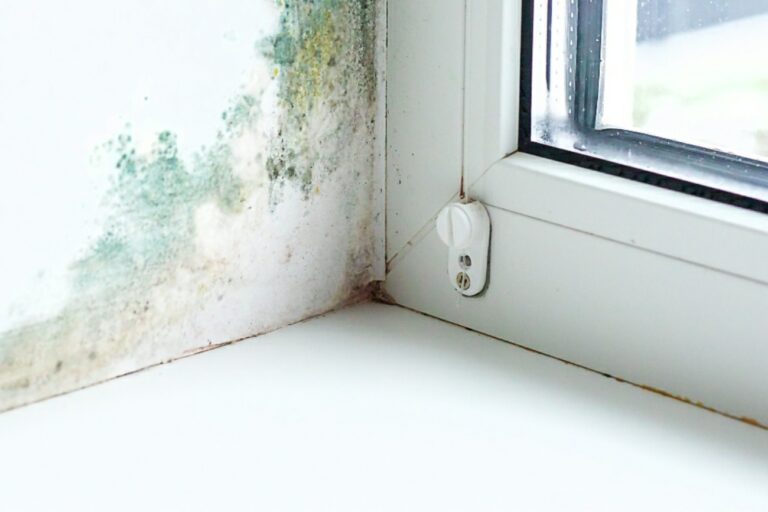
- Condensation — internal moisture from cooking, bathing or drying clothes that forms on cold surfaces and often causes black mould in corners and behind furniture.
Top 10 signs of damp in a house
Check your home for these common indicators — they are the search terms many homeowners use when they first spot problems:
- Musty or mouldy smells in rooms or cupboards
- Dark tide marks or patches on walls and skirtings
- Peeling paint, bubbling wallpaper or flaking plaster
- White powdery salt on brickwork (efflorescence)
- Cold or damp-feeling walls
- Visible black mould in corners, behind wardrobes or on window frames
- Crumbled plaster or rotting skirting boards
- Stained ceiling tiles or drip marks after rain
- Greasy or silverfish-attracting patches (indicating moisture)
- Persistent condensation on windows each morning
How much does a damp survey cost?
A focused damp survey gives you the facts. Typical UK ranges are:
- Basic damp inspection: £150–£350 (small properties / single issue)
- Comprehensive damp & timber survey: £300–£600 (larger homes, full report)
Surveys that include thermal imaging, endoscope inspection or core samples can cost more. Checkatrade and other industry guides list similar ranges. Checkatrade — Damp proofing cost guide.
Typical treatment costs (realistic examples)
Costs vary widely depending on property size, access and the chosen solution. Ballpark figures:
- Condensation control / ventilation improvements: from £200 for extractor upgrades or a dehumidifier to £1,000+ for mechanical ventilation systems.
- Damp-proof course (chemical injection): typically £1,000–£3,000 for a small to medium property.
- Tanking / cavity membrane solutions: £2,000–£6,000+ for larger or complex cases.
- Plaster replacement and redecoration after treatment: from a few hundred pounds to £2,000+, depending on affected areas.
These ranges combine repair, remediation and finishing. For transparent quotes, always ask for an itemised report and guarantees.
What a professional damp survey will check
A qualified surveyor or damp specialist will:
- Carry out a visual inspection inside and out
- Use moisture meters and thermal imaging to map damp
- Inspect gutters, rooflines, external pointing and drains
- Check for salt contamination, rot and mould
- Test timber where necessary and advise on structural effects
- Provide a written report with recommended remedial options and cost estimates
The Property Care Association is a useful resource for choosing an accredited specialist: Property Care Association.
Quick actions you can take today
- Open windows for short periods daily to improve ventilation
- Use extractor fans when cooking or showering and leave them running briefly afterwards
- Dry laundry outdoors or use a vented tumble dryer where possible
- Wipe down visible condensation on windows and sills each morning
- Keep gutters and downpipes clear to prevent penetrating damp
These steps limit short-term damage but do not replace a proper survey if signs persist.
When to call Go2 for a damp survey or treatment
Book a professional survey if you spot tide marks, persistent mould, crumbling plaster, or if the problem returns after DIY fixes. Go2 offers full damp surveys, targeted treatments and follow-up checks across Surrey, London and Berkshire. See our damp-proofing services: Go2 Damp Proofing services.
FAQs
Do I need a damp survey before buying a house?
Yes — especially for older or solid-wall properties. A survey helps uncover hidden issues and provides negotiation leverage.
Will mould removal fix the problem?
Only partly. Surface mould can be removed, but you must fix the moisture source to stop recurrence.
How long do damp treatments last?
Many chemical damp-proofing solutions come with guarantees of 10 years or more, but lifespan depends on treatment quality and whether underlying causes were addressed.
Call Go2 for a survey: 01483 379 061
Email: info@go2.services
Book a survey: Go2 Contact Page