If you notice a damp patch that gets worse after rain, there is a good chance you are dealing with penetrating damp rather than simple condensation. This type of moisture problem happens when water finds its way into the building fabric from outside. It can affect walls, ceilings, chimney breasts, window reveals and even internal corners.
For homeowners in Surrey, the first step is not to guess. Damp can have more than one cause, and similar symptoms can point to very different problems. If you want clarity on what is happening in your home, you can book a damp survey in Surrey with Go2 Property Services.
What is penetrating damp?
Penetrating damp is moisture that enters a property through the external structure. Unlike rising damp, which moves upward from the ground, or condensation, which forms from warm moist air meeting a cold surface, penetrating damp usually appears where rainwater is getting through from outside.
This often means the damp patch becomes more noticeable during or after wet weather. You may also see peeling paint, stained plaster, bubbling finishes, salt deposits or a musty smell.
1. Leaking or overflowing gutters
One of the most common causes of penetrating damp is a gutter that is blocked, cracked or leaking at a joint. When rainwater spills down the face of an external wall again and again, the wall can become saturated over time.
Look for dark staining on the outside wall, green growth, overflow marks or damp patches appearing on the inside in the same general area. This is especially common around corners, bay windows and roof valleys.
2. Damaged downpipes and poor rainwater disposal
A downpipe that leaks, has a failed joint or discharges badly near the base of the wall can feed a lot of water into one small area. If the water is not being carried away properly, the wall can stay wet for long periods.
In some homes, the issue is not the wall itself at first. It is the amount of water being allowed to soak into the masonry because the rainwater goods are not doing their job.
3. Cracked render or failing external finishes
External render is there to help protect the building from the weather, but once cracks appear, water can start to track behind the surface. That moisture may then show up indoors as blistering paint, loose plaster or isolated damp areas.
If your home has an older rendered finish, it is worth checking for hairline cracking, hollow sections, bulging patches or areas where the coating has started to fail. Go2 Property Services offers both modern and traditional render services for homes that need the right external finish for long-term protection.
4. Open joints and deteriorated pointing
Brickwork and mortar joints naturally age over time. Once mortar starts to crumble or gaps open up, driven rain can enter the wall more easily. This is particularly relevant on exposed elevations that take the brunt of the weather.
Penetrating damp caused by failed pointing may show up as a localised internal patch, especially on solid walls. In older Surrey properties, this can be confused with other damp problems if the wall has been repaired or redecorated several times.
5. Problems around windows and doors
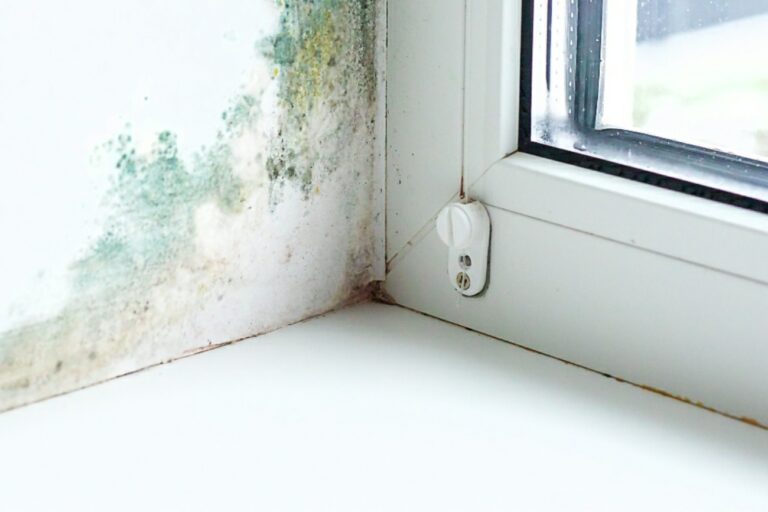
Window and door openings are common weak points. Failed sealant, cracked surrounds, gaps around frames and poor detailing can all let rainwater in. The result may be staining beneath a window, damp reveals, peeling wallpaper or mould appearing in one particular corner.
Because these areas are also colder than the surrounding wall, people sometimes assume condensation is the only cause. In reality, both issues can exist together, which is one reason a proper diagnosis matters.
6. Roof defects and damaged flashing
Not every damp patch caused by rain comes through the wall itself. Water can enter at roof level through slipped tiles, damaged felt, worn lead flashing or defective junctions around chimneys and abutments. It can then travel before appearing indoors somewhere that seems unrelated.
If an upstairs wall, chimney breast or ceiling shows damp after heavy rain, it is worth considering the roofline as part of the investigation.
7. Cold solid walls that stay wet for too long
Some older homes have solid external walls that dry out more slowly than modern cavity walls. When those walls are exposed to repeated wetting and also stay cold internally, moisture problems can become more persistent. In these cases, improving the wall build-up may help with both comfort and moisture control.
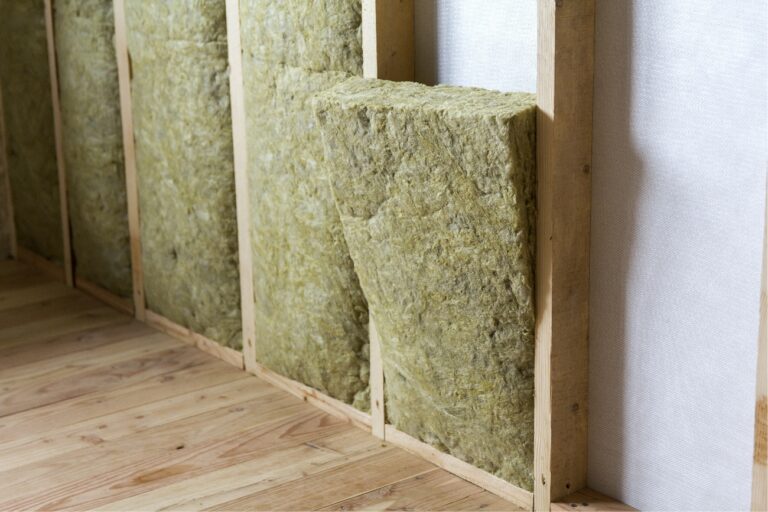
If your walls feel cold even when there is no obvious leak, this related guide may help: Cold Walls but No Visible Damp? What It Means and How to Fix It. Go2 also provides internal wall insulation where appropriate for improving surface temperature and reducing the conditions that allow damp and mould to persist.
How penetrating damp is different from condensation or rising damp
Penetrating damp is usually linked to a defect or weakness that allows water in from outside. Condensation is more often related to humidity, airflow and cold surfaces. Rising damp begins at low level and moves upward from the ground.
If you are not sure which one you are seeing, read Is Condensation or Rising Damp to Blame? How to Tell the Difference in Surrey Homes. It explains why similar symptoms can lead homeowners to the wrong conclusion.
When should you arrange a survey?
You should consider a survey if:
- the damp patch gets worse after rainfall
- paint or plaster keeps failing in the same place
- you can see staining on an external wall
- there is mould or a musty smell returning after redecorating
- you are buying a property and damp has been mentioned in the report
A survey helps identify the likely route of moisture ingress before money is spent on cosmetic repairs that do not address the actual cause. You can start here: Book a Damp Survey Surrey.
Why early action matters
Penetrating damp rarely improves on its own. Left untreated, it can damage plaster, decoration, timber and insulation, and it may make internal conditions feel colder and less healthy. The earlier the source is identified, the easier it is to stop the cycle of repeated damage.
For broader background on moisture and energy efficiency in homes, the Energy Saving Trust has a useful guide to insulating your home.
Need expert help with damp in Surrey?
Go2 Property Services helps homeowners across Surrey identify the cause of damp problems and recommend the right solution. Whether the issue relates to external defects, damp proofing, render failure or cold walls, the best starting point is a clear professional assessment.
Book your damp survey today or explore our damp proofing services to learn more.