New year home checks are one of the simplest ways to protect your property after winter sets in. January is when cold weather, higher humidity and increased heating use expose weaknesses in many UK homes. Taking time now to review your property can help prevent damp, reduce heat loss and avoid costly repairs later in the year.
This guide sets out seven practical new year home checks that focus on the issues most commonly found during winter, especially in older properties across Surrey, London and Berkshire.
1. New year home checks for damp and mould
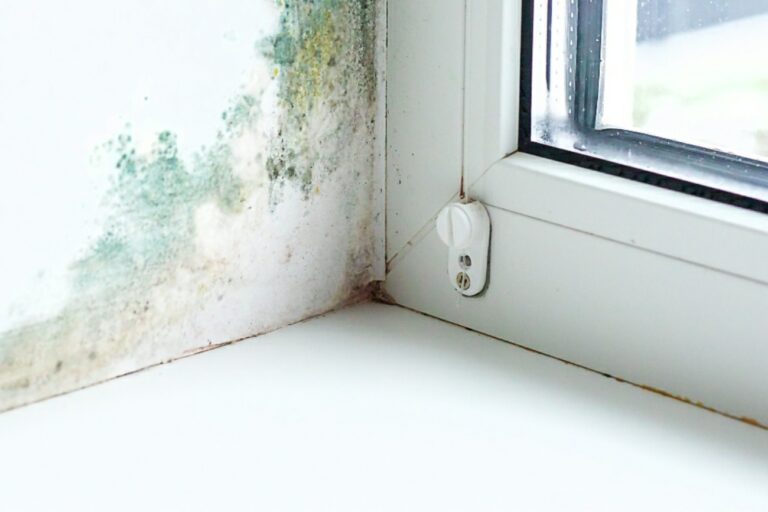
Winter is when damp problems become most visible. Reduced ventilation, cold external walls and higher indoor humidity all contribute to mould growth and moisture build-up. Inspect corners of rooms, areas behind furniture, skirting boards and window reveals.
Look for black mould spots, flaking paint, peeling wallpaper or a persistent musty smell. Early signs are often subtle but can worsen quickly if ignored. If you are unsure what to look for, this guide is a useful reference: Signs of damp in a house.
2. Check cold walls and heat loss
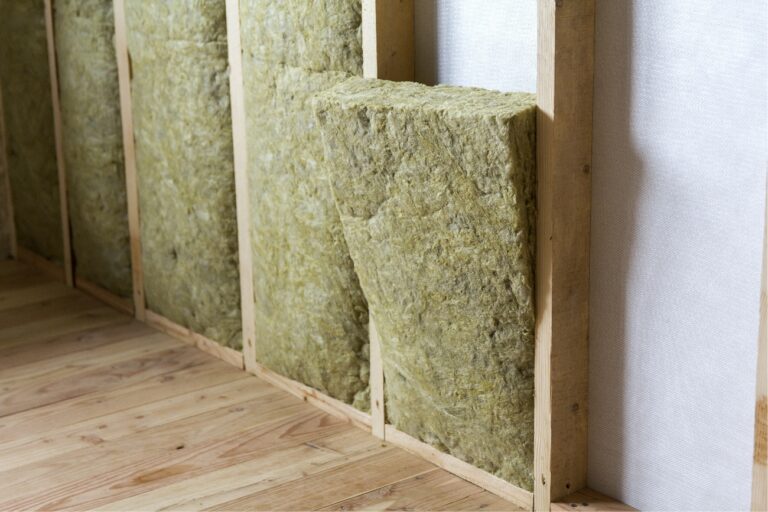
Cold walls are a common winter complaint and often indicate missing or inadequate insulation. Run your hand along external walls and note any areas that feel noticeably colder. These cold spots are more likely to attract condensation and mould.
Solid wall properties and homes built before modern insulation standards are particularly vulnerable. Addressing insulation gaps can improve comfort and reduce heating costs. More information is available on: Internal Wall Insulation and External Wall Insulation.
3. Inspect external walls, render and pointing
External defects are a common cause of moisture ingress during wet winter weather. Walk around your property and look for cracked render, missing mortar joints, damaged brickwork or staining beneath gutters.
Even small defects can allow rainwater to penetrate the building fabric, leading to internal damp patches over time. January is a good time to note these issues so they can be addressed when conditions improve.
4. Review ventilation as part of your new year home checks
Ventilation is often reduced in winter as windows remain closed to retain heat. This can trap moisture inside the home. Check that extractor fans in bathrooms and kitchens are working correctly and used consistently.

Ensure trickle vents in windows are open and unobstructed, and avoid blocking airflow with furniture or heavy curtains. Independent guidance is available from the Energy Saving Trust: Energy Saving Trust – ventilation advice.
5. Look for changes in plaster and internal finishes
Plaster and paint often show early warning signs of moisture problems. Check for hairline cracks that have widened, bubbling paint, staining or areas where plaster sounds hollow when tapped.
Some cracking is cosmetic, but changes that appear alongside damp patches or mould should be investigated. This guide explains when replastering is appropriate: When to replaster walls.
6. Check timber elements for moisture damage
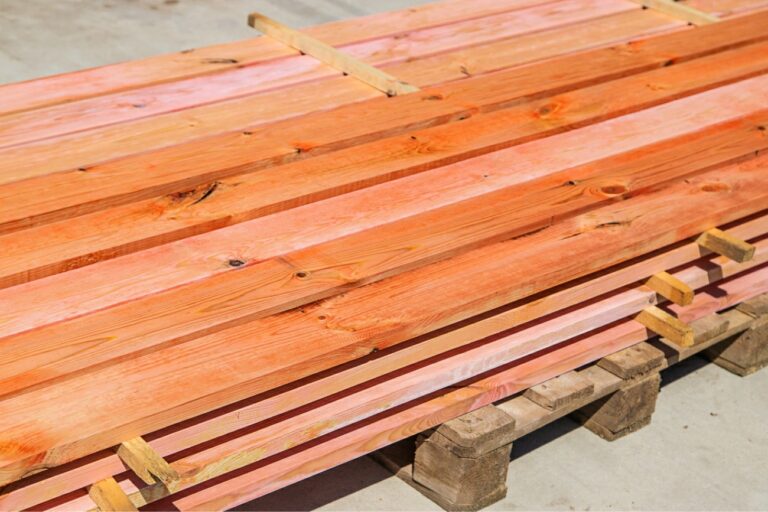
Skirting boards, window frames and timber floors are often affected first when moisture levels rise. Look for swelling, softness, discolouration or flaking paint.
Timber issues are frequently linked to underlying damp or condensation rather than being standalone defects.
7. Decide whether professional new year home checks are needed
DIY inspections have limits. If damp, mould or cold walls persist despite good ventilation and heating, a professional assessment can provide clarity.
A damp survey helps identify whether issues are caused by condensation, penetrating damp or rising damp. This ensures the correct solution is applied from the outset.
If you would like a professional inspection at the start of the year, you can arrange one here: Book a Damp Survey Surrey.
Conclusion
Carrying out new year home checks is about prevention rather than panic. January provides a clear snapshot of how your property performs in cold, damp conditions.
By addressing small issues early and seeking professional advice where needed, you protect both your comfort and your investment throughout the year ahead.