Damp in your home is more than just an eyesore. Left untreated, it can damage your walls, ruin your plaster, encourage mould growth and even affect the structural timber in your property. But before you can fix a damp problem, you need to understand what type of damp you are dealing with.
Many homeowners in Surrey, London and Berkshire contact us after noticing damp patches, peeling wallpaper or a musty smell in their home. The first question we always ask is: what kind of damp is it? Because the treatment for rising damp is very different from the treatment for condensation, and getting this wrong can mean wasting money on repairs that do not actually solve the problem.
In this guide, we will walk you through the three main types of damp that affect UK homes, how to spot each one, and what you can do about it.
What Is Rising Damp?
Rising damp occurs when moisture from the ground travels upwards through the walls of your property by a process called capillary action. Think of it like a sponge sitting in a tray of water – the water gets drawn upwards through the material.
In most modern homes, a damp proof course (DPC) is built into the walls near ground level to stop this from happening. However, in older properties – particularly Victorian and Edwardian homes, which are common across Surrey and parts of London – the original DPC may have failed, been bridged or may never have been installed at all.
Signs of rising damp include:
- A tide mark on internal walls, usually up to about one metre from the floor
- Damp or wet patches at the base of walls
- White salt deposits (efflorescence) on the wall surface
- Peeling paint or wallpaper near the bottom of walls
- Damaged or crumbling plaster at low level
- A musty or damp smell in ground floor rooms
Rising damp typically affects ground floor rooms only. If you are seeing damp patches higher up the wall or on upper floors, it is unlikely to be rising damp.
How Is Rising Damp Treated?
The most common treatment for rising damp is the injection of a new chemical damp proof course. This involves drilling a series of holes into the mortar course at the base of the wall and injecting a silicone-based damp proofing cream. This creates a new barrier that stops moisture from travelling upwards.
After the DPC has been installed, any damaged plaster below the injection line will normally need to be removed and replaced with a specialist renovating plaster that is designed to cope with residual moisture.
At GO2 Property Services, we carry out rising damp treatment across Surrey, London and Berkshire. Our surveys are thorough and honest – if you do not have rising damp, we will tell you, rather than selling you a treatment you do not need.
What Is Penetrating Damp?
Penetrating damp is caused by water entering your property from the outside – typically through the walls, but sometimes through the roof or around windows and doors. Unlike rising damp, penetrating damp can appear at any height on a wall and is often worse during or after heavy rain.
Common causes of penetrating damp include:
- Cracked or damaged rendering on external walls
- Failed or missing pointing in brickwork
- Leaking gutters, downpipes or flat roofs
- Defective window or door seals
- Porous brickwork that has lost its weatherproofing
Signs of penetrating damp include:
- Damp patches that appear or get worse after rainfall
- Localised damp areas on walls, often near windows, doors or where external defects are present
- Blown or bubbling plaster
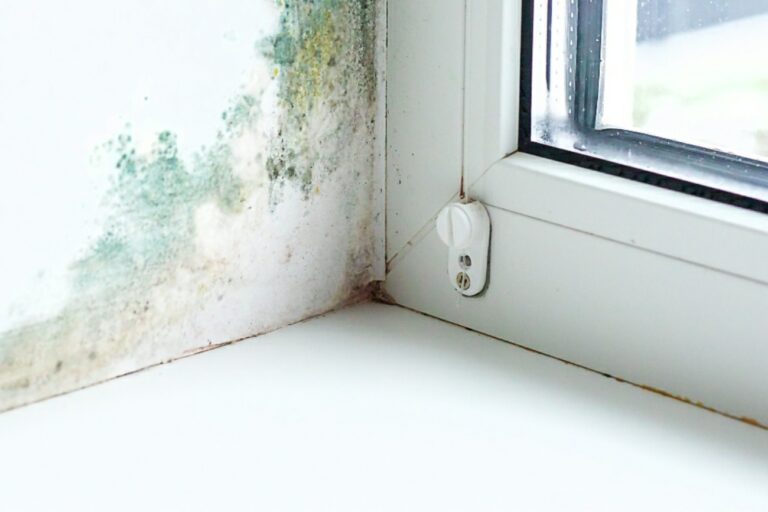
- Mould growth on the affected area
- Staining on internal walls or ceilings
How Is Penetrating Damp Treated?
The key to treating penetrating damp is finding and fixing the source of the water ingress. This might involve repointing brickwork, repairing or replacing external render, fixing gutters or downpipes, or improving drainage around the property.
Once the source has been dealt with, internal repairs such as re-plastering and redecoration can be carried out. In some cases, an external waterproofing treatment or new render system may be recommended to provide long-term protection.
Our team at GO2 Property Services has over 25 years of experience in diagnosing and repairing penetrating damp across Surrey and the surrounding areas. We are also rendering and plastering specialists, so we can handle the full repair from start to finish.
What Is Condensation?
Condensation is actually the most common form of damp in UK homes, and it is often mistaken for rising or penetrating damp. It occurs when warm, moist air comes into contact with a cold surface – such as an external wall or single-glazed window – and the moisture in the air turns into water droplets.
You will often see condensation on windows first thing in the morning, but it can also form on cold walls, behind furniture and in poorly ventilated areas like bathrooms, kitchens and cupboards.
Signs of condensation include:
- Water droplets on windows and cold surfaces
- Black mould growth, particularly in corners, behind furniture and around window frames
- A damp or musty smell
- Damp patches on walls that are not linked to rainfall
Condensation tends to be worse in winter when the temperature difference between inside and outside is greatest, and in homes where ventilation is limited.
How Is Condensation Treated?
Unlike rising damp or penetrating damp, condensation is usually managed through a combination of improved ventilation, better heating habits and, in some cases, insulation upgrades.
Steps you can take to reduce condensation include:
- Using extractor fans in kitchens and bathrooms
- Opening windows regularly to allow air to circulate
- Avoiding drying clothes on radiators indoors
- Keeping a consistent low-level background heat in your home
- Moving furniture slightly away from external walls to allow air to flow
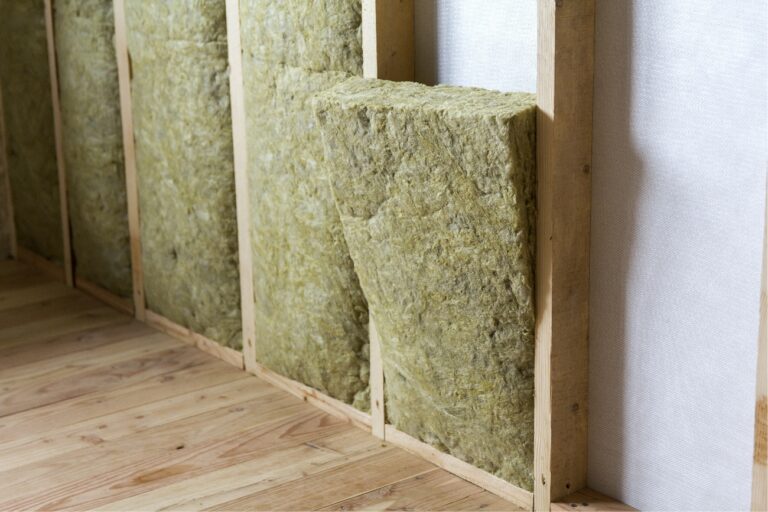
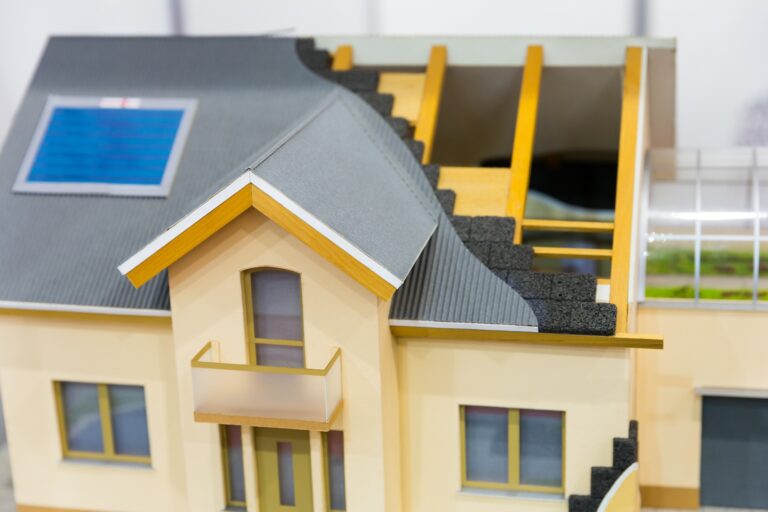
For more serious condensation problems, installing internal wall insulation or upgrading to external wall insulation can make a real difference. These solutions reduce the cold surfaces where condensation forms, while also improving the energy efficiency of your home.
GO2 Property Services offers both internal and external wall insulation services across Surrey, London and Berkshire. This can be particularly effective for older solid-wall properties that do not have cavity wall insulation.
When Should You Get a Professional Damp Survey?
If you are unsure what type of damp you are dealing with, or if the problem keeps coming back despite your efforts to fix it, a professional damp survey is the best next step. A qualified damp specialist will use moisture meters and other diagnostic tools to identify the type and extent of the damp, and will recommend the right course of treatment.
Be cautious of companies that offer free damp surveys and then diagnose rising damp in every property they visit. Unfortunately, this is a common issue in the damp proofing industry. At GO2 Property Services, we are honest about what we find. If your damp problem is caused by condensation or a simple maintenance issue, we will tell you – and we will not try to sell you expensive treatments you do not need.
To book a damp survey in Surrey, London or Berkshire, call GO2 Property Services on 01483 379 061. We have been helping homeowners identify and treat damp problems for over 25 years, and we are happy to give straightforward advice.