Heat loss in UK homes is one of the main reasons properties feel cold, damp and expensive to heat. Many homeowners do not realise how much heat escapes through walls, roofs and gaps in the building fabric. This guide explains the most common causes of heat loss, how to spot them and the steps you can take to make your home warmer and more efficient.
What causes heat loss in UK homes?
Most heat loss in UK homes happens through external walls, roofs, windows and poorly insulated areas. Older houses, especially those built before the 1930s, often have solid walls with minimal insulation. Damp walls, cracked render and missing pointing also increase heat loss, as moisture reduces a wall’s thermal performance.
1. External wall damage — a major source of heat loss
Missing pointing, cracked brickwork and damaged render let cold air penetrate the structure. When the wall becomes damp, it loses heat more quickly. If you see crumbling mortar or hairline cracks, inspect them promptly. For wall repairs and inspections, see Go2 Property Services.
2. Uninsulated solid walls
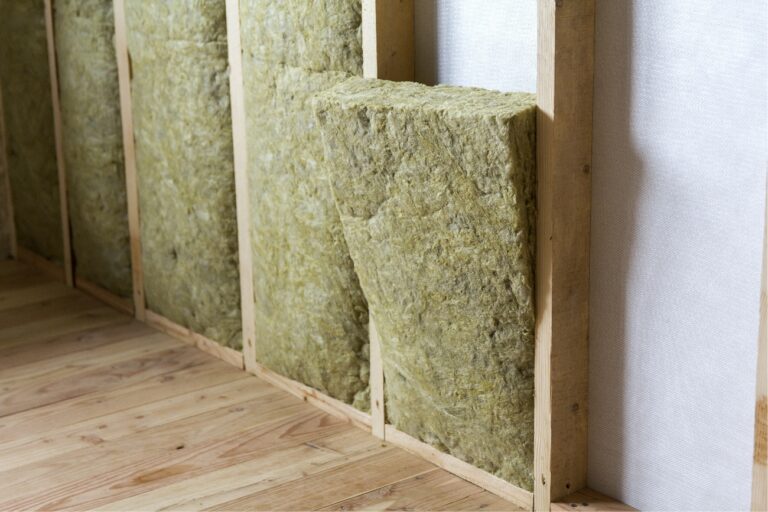
Solid walls are responsible for significant heat loss. Without insulation, they absorb heat from indoor spaces and transfer it outside. Internal wall insulation or external wall insulation can make a major difference. Learn more at: Internal Wall Insulation and External Wall Insulation.
3. Damp walls make heat loss worse
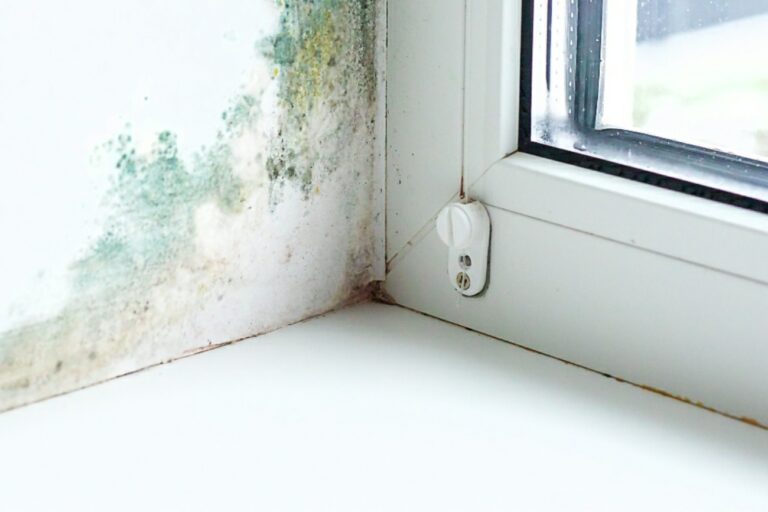
Damp walls conduct heat faster than dry walls, increasing heat loss in UK homes and encouraging condensation and mould. Look for tide marks, bubbling plaster or cold patches. Fix the damp first, then add insulation where appropriate. Go2’s damp-proofing services: Damp Proofing.
4. Roof and loft insulation problems
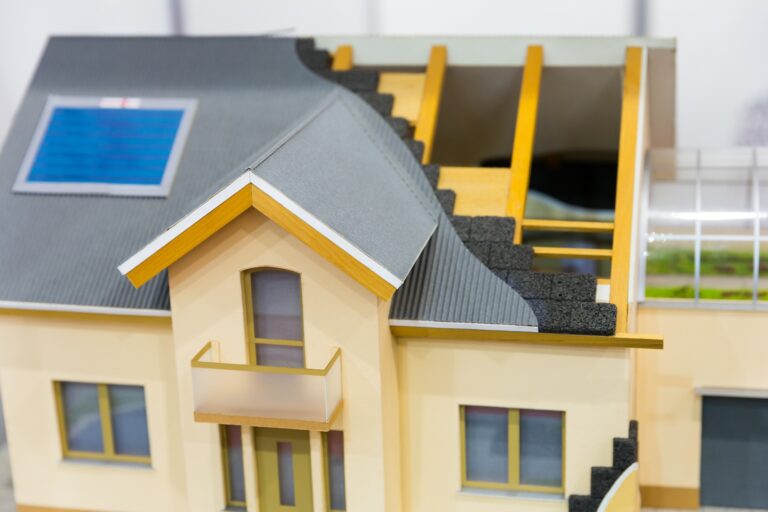
Poor loft insulation allows large amounts of warm air to escape. Even small gaps can increase heat loss. The Energy Saving Trust offers useful advice: Roof & loft insulation guide.
5. Draughty windows and doors
Draughts around window frames, doors and skirting boards cause cold spots and discomfort. Sealing gaps and updating worn seals can reduce heat loss immediately. See Energy Saving Trust’s draught-proofing advice: Draught Proofing.
6. Cold floors and uninsulated junctions
Floors above unheated spaces and poorly sealed wall-floor junctions are another common source of heat loss in UK homes. These areas often require insulation upgrades or sealing.
7. Hidden cold bridges
Cold bridging occurs where insulation is thin or missing at structural junctions. This creates cold patches that attract moisture and cause heat loss. Proper design and insulation help eliminate these weak points.
Typical costs to reduce heat loss
- Loft insulation: from a few hundred pounds
- Internal wall insulation: several thousand depending on rooms
- External wall insulation: higher cost but biggest heat-saving impact
- Draught-proofing: low cost and quick results
Independent cost guides, such as Checkatrade, provide typical price ranges: Retrofit insulation cost guide.
When to contact Go2
If your home has persistent cold rooms, damp issues or failing render, a professional inspection can identify the main sources of heat loss in UK homes. Go2 provides insulation, damp-proofing, render repair and property maintenance services across Surrey, London and Berkshire. Contact us here: Go2 Contact Page