Introduction
Discovering cracks in your walls or foundation can be unsettling. I remember visiting an old farmhouse in Surrey where hairline cracks lined the plaster around the windows. They looked harmless, but the owner worried they signalled bigger problems. Understanding the difference between hairline cracks and structural cracks is the key to taking the right action. In this article, we explore what causes cracks, how to identify when they require urgent attention and the steps you should take.
Hairline cracks explained
Hairline cracks are thin, surface‑level fissures, usually less than 3 mm wide. They often appear within the first year after construction as concrete or plaster dries and shrinks. These cracks don’t generally threaten your home’s structural integrity. They can radiate from corners of openings or around pipes. Temperature fluctuations, moisture variations and minor settlement commonly cause them. While they are mostly cosmetic, it’s wise to monitor them; small cracks can grow if moisture enters and damages the surrounding material.
Structural cracks and warning signs
Structural cracks are more serious. Cracks wider than 3 mm (about 1/8 inch) are considered structural. They often run horizontally or diagonally, or form a stair‑step pattern in brickwork. When a crack is accompanied by bowing or bulging walls, sticking doors or windows, or sloping floors, it suggests underlying foundation movement. Water infiltration, musty smells and dampness near the crack are other warning signs. These symptoms often point to causes like expansive soils, hydrostatic pressure, poor drainage or deteriorating materials.
Common causes of cracks
Non‑structural cracks result from normal shrinkage and minor settlement. Structural cracks, however, usually indicate an underlying issue. Expansive clay soils swell when wet and shrink when dry, exerting pressure on foundations. Poor drainage can cause water pressure to build up against walls. Design errors, subpar construction and aged materials also contribute. In the UK, repeated freeze‑thaw cycles and tree roots can exacerbate foundation movement and cracking.
How to monitor cracks
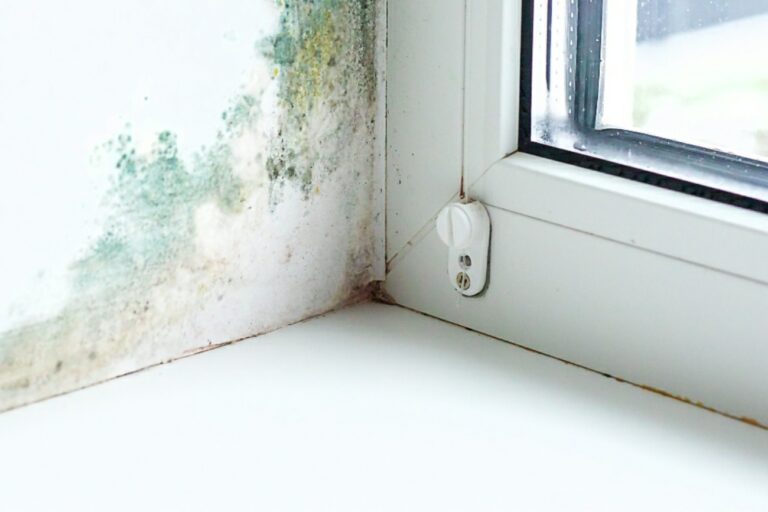
When you notice a crack, start by measuring its width and length. Use a ruler or caliper to track changes over time. Photograph the crack to document its condition. Note its direction: vertical cracks from shrinkage are usually less concerning, while horizontal or stair‑step cracks could be structural. Check nearby doors, windows and floors for sticking or sloping. Look for signs of moisture or mould around the crack. Recording these details helps a professional diagnose the issue.
Repair options
For minor, non‑structural cracks, simple repairs may be sufficient. Many contractors use epoxy injection or flexible sealants to fill hairline cracks, preventing water ingress and further deterioration. Structural cracks require a more comprehensive approach. Solutions include installing helical piers, push piers or wall anchors to stabilise the foundation. Carbon fibre straps may be used to reinforce walls. The right method depends on the cause and severity of the damage. Always consult a qualified surveyor or structural engineer before undertaking repairs.
Preventing cracks
Prevention starts with managing moisture. Ensure gutters and downpipes direct water away from the house, and maintain proper grading around the foundation. Address drainage issues promptly. Control tree growth near foundations and avoid planting large trees too close to your home. In areas with expansive soils, keep the soil evenly moist to minimise shrinking and swelling. If your home is in a flood‑prone area, consider installing drainage systems like French drains or sump pumps.
When to call a professional
If a crack is wider than 3 mm, is horizontal or stair‑step, or shows signs of movement, call a professional for an inspection. Structural cracks can worsen quickly and become expensive to repair. Even if the crack seems minor, a survey can provide peace of mind. Professionals can identify whether the issue stems from settlement, soil conditions, water pressure or construction defects. They can also recommend solutions tailored to your property.
Role of GO2 Property Services
GO2 Property Services offers damp surveys and property care across London, Surrey and Berkshire. Our surveyors have experience identifying structural problems and damp‑related cracking. We assess the building’s condition, determine the cause of cracks and propose appropriate repairs or treatments. Whether the problem is damp, settlement or structural movement, our team ensures your home is safe and sound.
Conclusion
Understanding the difference between hairline cracks and structural cracks is essential for maintaining your home. Thin, surface‑level cracks are often harmless, but wider, horizontal or stair‑step cracks may signal serious issues. By monitoring cracks, managing moisture and seeking professional help when needed, you can prevent minor problems from becoming major repairs. Regular surveys and maintenance from trusted experts like GO2 Property Services will keep your property in good shape and give you confidence in your home’s stability. Contact us today.