Efflorescence on brickwork is one of those issues that looks alarming at first. You might spot a chalky white powder on an outside wall, or a pale, salty mark on internal plaster near the skirting boards. I have met homeowners who assumed it was mould, paint residue, or even a sign the bricks were “breaking down”. In reality, efflorescence is usually a salt deposit left behind as moisture evaporates. The key is understanding where that moisture is coming from and whether it is a short-term nuisance or a warning sign of a damp problem.
This guide explains what efflorescence is, why it happens, how to tell when it matters, and what to do next.
What is efflorescence?
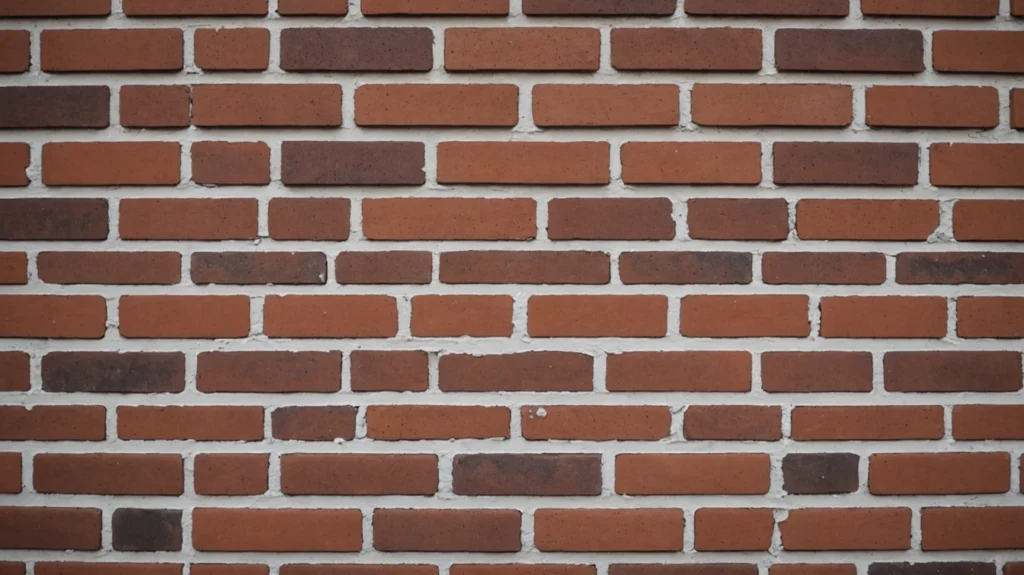
Efflorescence is a white, powdery deposit of salts that appears on masonry such as brick, mortar, stone, or render. Water moves through porous building materials, dissolving natural salts along the way. When that moisture reaches the surface and evaporates, the salts are left behind as a visible stain.
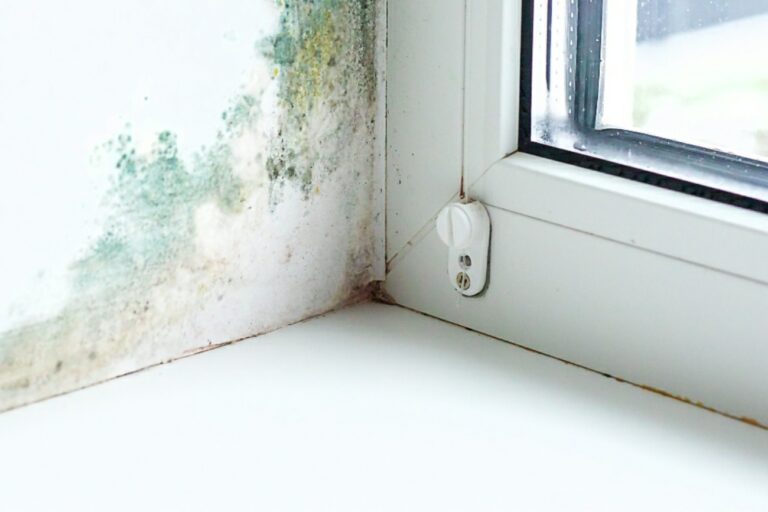
On external walls, it may look like a thin dusting or a patchy bloom. Internally, it can appear as a pale, powdery mark on plaster or paint, sometimes alongside bubbling finishes.
Common causes of efflorescence on brickwork
Efflorescence usually needs two things: moisture movement through masonry and soluble salts within the materials. The cause is not always serious, but it should always be investigated if it persists or appears indoors.
Common causes include:
- New brickwork or repointing: fresh mortar contains salts that can surface as it cures
- Heavy rainfall exposure: repeated wetting and drying cycles on exposed elevations
- Leaking gutters or downpipes: water running down walls saturates the masonry
- Cracked pointing or porous masonry: moisture enters through defects in the external fabric
- Bridging at ground level: high external ground levels allow moisture transfer into walls
- Internal humidity and cold walls: condensation can trigger surface moisture and salts in some situations
When efflorescence is external and appears after wet weather, it is often linked to water shedding issues such as gutters, drainage, or porous brickwork. When it is internal, especially near floor level, it is more likely to indicate an ongoing moisture problem.
Efflorescence vs rising damp: how to tell the difference
Efflorescence can be harmless, but it can also accompany rising damp or other damp mechanisms. The best way to judge it is by pattern and persistence.
- External only, fades over time: often harmless, especially on new work
- Internal salts near skirtings: more concerning and may indicate rising damp or bridging
- Repeated return after cleaning: suggests continued moisture movement, not a one-off event
- Associated damage: crumbling plaster, soft skirting boards, peeling paint or a musty smell strengthens the damp case
If you are seeing other symptoms, this checklist can help you assess the bigger picture: Signs of damp in a house.
Is efflorescence always a problem?
No. On external brickwork, efflorescence can occur after building work or a spell of wet weather and then gradually reduce as the wall dries out. In those cases, the main action is usually to remove the moisture source and allow the wall to dry naturally.
Where it becomes a concern is when:
- It appears on internal walls
- It returns quickly after being brushed away
- It is concentrated at low level and spreads over time
- It coincides with plaster breakdown, mould or persistent damp patches
In those cases, the salts are not the real problem. They are the evidence of moisture moving through the wall.
Simple checks you can do before calling a professional
You do not need specialist equipment to make useful observations. Start with a few simple checks:
- Brush a small area dry and see how quickly the salts return
- Check gutters and downpipes for leaks, blockages, overflow staining or damp brickwork beneath
- Inspect pointing and brick faces for cracks, erosion or spalled bricks
- Look at ground levels and ensure soil or paving is not too high against the wall
- Note timing to see if the issue worsens after rainfall or during cold months
If the efflorescence is inside, or if you are seeing multiple damp symptoms, it is worth moving beyond guesswork and getting a clear diagnosis.
What to do next: fix the cause, not the stain
Cleaning efflorescence alone rarely solves the problem if moisture is still present. The most effective next steps are usually:
- Repair leaking gutters and improve water run-off
- Address cracked pointing or porous areas that allow moisture ingress
- Improve drainage and reduce splashback near ground level
- Review ventilation and cold surface risks if condensation is involved
If you suspect the issue is connected to rising damp or persistent moisture, damp-proofing may be relevant: Damp proofing.
When to book a damp survey
If efflorescence is appearing internally, returning frequently, or accompanied by plaster failure or timber damage, a professional survey is the most direct way to establish what is happening. A survey can identify whether moisture is rising from the ground, entering through external defects, or condensing on cold surfaces, and it can clarify the most cost-effective route to repair.
If you want clarity, you can arrange an inspection here: Book a Damp Survey Surrey.
Further guidance on damp in masonry buildings
If you would like independent information about moisture behaviour in traditional buildings, Historic England provides practical guidance: damp advice.
Conclusion
Efflorescence on brickwork is a visible sign of moisture movement, but it is not always a serious defect. On external walls, it can be temporary and linked to weather or new work. On internal walls, or where it keeps returning, it often points to an underlying damp issue that needs diagnosing.
By checking external maintenance items, monitoring whether salts return, and seeking professional advice when symptoms persist, you can protect your home and avoid repeated repairs that do not address the real cause.
FAQs
Can I just wash efflorescence off brickwork?
You can remove the visible salts, but they often return if moisture is still travelling through the masonry. Removing the moisture source is the real fix.
Does efflorescence mean rising damp?
Not always. Efflorescence can occur for harmless reasons, especially on new external work. Persistent internal salts near skirting level are more likely to indicate rising damp or bridging.
When should I book a damp survey?
If efflorescence is internal, returns quickly after cleaning, spreads, or appears with plaster breakdown, mould or a musty smell, a survey is recommended.