Damp survey Surrey questions often come up at the most stressful moment: when you have found a house you like, but something feels slightly “off”. I remember walking through a tidy period home where every wall looked freshly painted, yet the air felt heavy in the front room. The seller had placed a large sofa against an outside wall, and it was only when we moved it slightly that a faint tide mark became visible at skirting level. Damp problems can be easy to miss during a viewing, but they can be expensive to fix once you own the property.
This guide explains why damp is often overlooked during viewings and standard surveys, what warning signs to look for, and when booking a specialist inspection is the sensible next step.
If you want an appointment now, you can arrange one here: Book a Damp Survey Surrey.
Why damp is often missed during viewings
Most viewings are short, and sellers naturally present a home in its best light. Damp can also hide in plain sight, especially in older properties across Surrey where walls and finishes have been repaired multiple times. Common reasons damp is missed include:
- Furniture placement: wardrobes and sofas often cover the coldest external walls
- Fresh paint and new wallpaper: redecorating can mask staining until moisture returns
- Dry weather during viewings: penetrating damp may only show after heavy rain
- Heating on during winter viewings: warmth can reduce visible condensation temporarily
- Short time on site: you rarely get to check skirting boards, corners and cupboards properly
Damp is not always a deal-breaker, but it is something you want to understand before exchange. Clarity early on gives you options.
What standard surveys do and do not cover
Many buyers assume a homebuyer report will provide a definitive answer on damp. In practice, most survey inspections are visual and non-invasive. If the surveyor cannot access an area or needs specialist testing to confirm a diagnosis, the report will often recommend further investigation. RICS guidance also highlights the importance of ventilation and maintaining healthy indoor conditions when dealing with damp and mould: RICS guidance on damp and mould.
If your report mentions moisture readings, mould, dampness, staining, or “further investigation”, a specialist inspection can help you understand the real cause and likely scope of work.
Common damp problems buyers discover after moving in
When a property is lived in day to day, moisture patterns become clearer. These are some of the most common issues buyers notice after completion:
Condensation misdiagnosed as damp
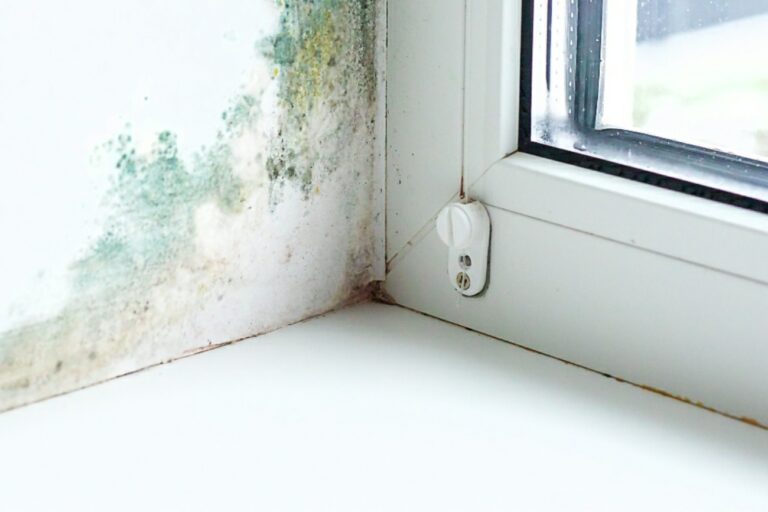
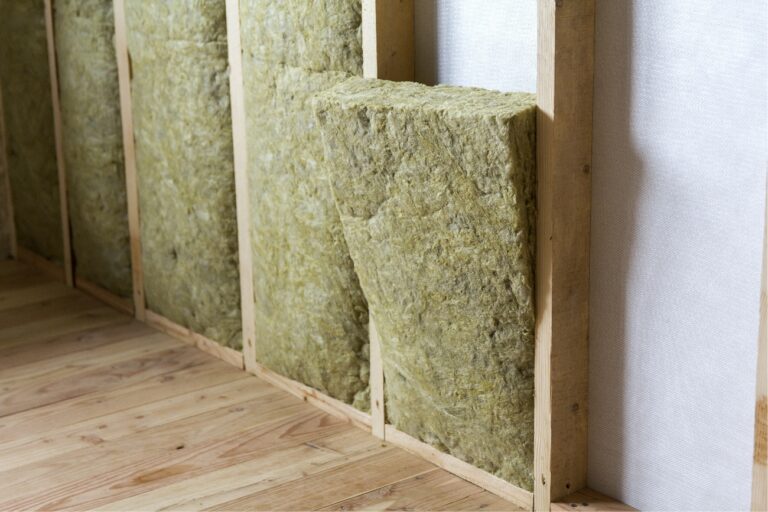
Condensation can look dramatic in winter: mould at ceiling corners, wet window reveals, or damp patches behind furniture. The underlying cause is usually humidity and cold surfaces, which often improves with ventilation and insulation changes. However, persistent condensation can still damage plaster and timber over time.
Penetrating damp from external defects
Penetrating damp often links to outside issues such as cracked render, missing pointing, faulty gutters or leaking downpipes. It can worsen after rainfall and may show as localised patches on internal walls.
Low-level moisture that looks like rising damp
True rising damp exists, but low-level damp can also be caused by bridging, high external ground levels, or internal condensation collecting at the cold base of an outside wall. A survey helps confirm the difference, which matters because treatment differs.
If you want a simple checklist of warning signs, this is a useful reference: Signs of damp in a house.
Practical checks you can do during a second viewing
A second viewing is your opportunity to slow down and look more carefully. You do not need specialist equipment to spot early warning signs. Focus on:
- Skirting boards: press gently for softness, swelling, or crumbling paint
- Lower walls: look for staining, bubbling paint, or plaster that breaks away easily
- Corners and window reveals: check for mould, damp patches, and cold surfaces
- Behind furniture: look for darker patches and musty smells on external walls
- Bathrooms and kitchens: check extractor fans and any signs of persistent condensation

If you can, visit after heavy rainfall. Damp that worsens with weather often points to an external defect rather than indoor humidity alone.
When a damp survey in Surrey is essential
There are clear situations where booking a damp survey Surrey homeowners and buyers rely on is the most sensible move:
- Your mortgage or homebuyer report flags damp, mould, staining, or high moisture readings
- You can see tide marks, salts, or damaged skirting boards at low level
- Mould appears on external walls or returns soon after cleaning
- You suspect a leak, faulty guttering, or external wall defects
- You want clarity on repair costs before negotiating or committing
A specialist inspection turns uncertainty into a plan. It also helps you avoid paying for the wrong treatment.
What a damp survey should include
A good damp survey focuses on diagnosis, not guesswork. It should assess the building as a whole and explain why moisture is appearing where it is. In most cases, the inspection includes:
- Internal moisture profiling: readings at different wall heights to identify patterns
- Ventilation and condensation checks: humidity risk, airflow, and cold surface areas
- External inspection: pointing, render condition, gutters, downpipes, and visible defects
- Bridging risks: ground levels, render bridging, blocked airbricks, and debris
- Clear next steps: what to fix first, what can wait, and how to prevent recurrence
Where relevant, a survey may also flag related risks such as timber decay or plaster failure, so the repair plan is realistic.
Typical costs and why diagnosis saves money
Survey costs vary by property size and complexity, but the key is value rather than the lowest fee. A correct diagnosis often prevents unnecessary work, especially where condensation is mistaken for structural damp, or where an external defect is the real culprit.
Independent cost guides often quote damp survey fees in the region of £200 for a small flat, around £400 for a typical three-bedroom house, and higher for larger properties depending on scope. For a benchmark, see: Checkatrade damp survey cost guide.
How Go2 supports buyers and homeowners
Go2 Property Services takes a survey-led approach to damp problems. The goal is to identify the cause clearly and recommend proportionate solutions that address the root issue. That may involve ventilation and insulation advice, external repairs, targeted damp-proofing, or internal making-good where needed.
To learn more about treatment options, see: Damp Proofing.
Next steps if you are buying a property
If you are seeing warning signs, the best time to act is before exchange. A damp survey gives you clarity on risk, likely repair work, and how urgent the problem is. In many cases, that information supports negotiation or helps you plan a sensible first-year maintenance budget.
If you would like an inspection arranged, you can book here: Book a Damp Survey Surrey. If you prefer to ask a question first, you can contact the team here: Contact Go2.
FAQs
Does damp always mean I should pull out of a purchase?
No. Damp can range from a simple ventilation issue to a more complex defect. The point of a survey is to understand cause, urgency, and likely cost before you commit.
Can condensation be mistaken for damp?
Yes. Condensation can mimic damp symptoms, especially in winter. A proper inspection checks ventilation, insulation, and moisture patterns to confirm the cause.
How quickly should I book a damp survey in Surrey?
If your homebuyer report recommends further investigation, or if you can see visible signs, it is best to book as early as possible so you have time to act before exchange.