Many homeowners are surprised and frustrated when damp returns months after they thought it had been fixed. The walls were replastered, the room redecorated, and everything looked dry for a while. Then the paint begins to bubble again, skirting boards soften, or a familiar musty smell reappears. When damp keeps coming back after repairs, the problem is rarely bad luck. In most cases, it is a sign that the original cause was never fully identified.
This article explains why damp repairs often fail, the common mistakes that lead to recurring problems, and how taking a survey-led approach can stop the cycle for good.
Why damp repairs often fail
Damp treatment fails most often because the visible symptoms are treated rather than the underlying cause. Damp is not a single problem with a single solution. It can be caused by condensation, penetrating moisture, rising damp, or a combination of issues acting together.
If the diagnosis is incomplete, even well-intentioned repairs may only provide temporary relief. Replastering, redecorating, or installing a damp-proofing product without addressing moisture sources usually delays the problem rather than resolving it.
Common mistakes that cause damp to return
Recurring damp problems are often linked to one or more of the following issues:
- Treating symptoms only: Painting over damp patches or replastering without stopping moisture ingress.
- Replastering too soon: Plaster applied before walls have fully dried can trap residual moisture.
- Ignoring external defects: Cracked render, failed pointing, leaking gutters or downpipes allowing water in.
- Bridging the damp-proof course: Raised ground levels, render bridging or debris against walls.
- Ventilation overlooked: Condensation issues treated as structural damp.
These mistakes are understandable. Damp can be confusing, and symptoms often overlap. The challenge is knowing which issue is actually driving the problem.
Condensation vs damp: the common mix-up
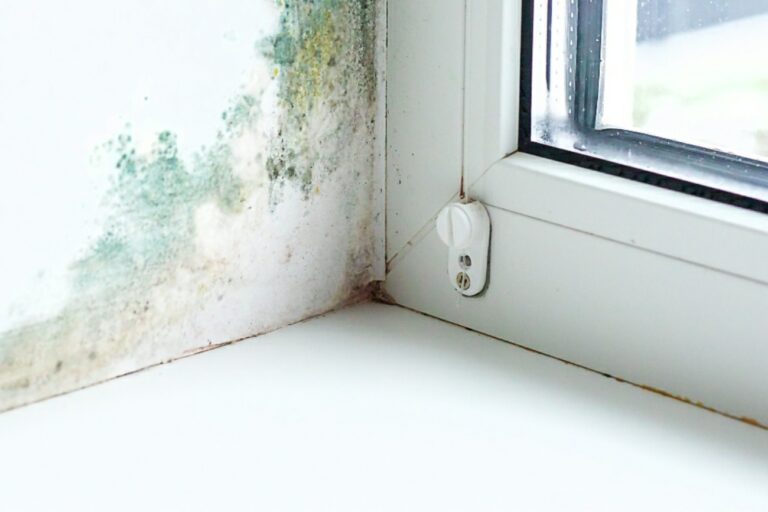
One of the most frequent reasons damp comes back is misdiagnosis. Condensation can look severe, especially in winter. Black mould, wet window reveals and damp patches behind furniture often point to humidity and cold surfaces rather than water entering the building fabric.
If condensation is mistaken for rising or penetrating damp, structural treatments may be installed unnecessarily. The symptoms might reduce briefly, but the underlying moisture behaviour remains unchanged, so mould and damp reappear.
Improving ventilation and managing humidity are often key in these cases. Independent guidance on this is available from the Energy Saving Trust: ventilation advice.
When recurring damp indicates a deeper issue
Some warning signs suggest that damp returning after repairs points to a more serious or persistent issue:
- Damp patches spreading beyond the original area
- Salt deposits reappearing on walls
- Skirting boards deteriorating again within months
- Plaster breaking down despite recent repairs
- Damp that worsens after rainfall rather than cold weather
These symptoms usually indicate ongoing moisture ingress or trapped moisture that has not been properly addressed.
How a proper damp survey changes the outcome
When damp keeps coming back after repairs, a professional survey is often the turning point. A damp survey focuses on diagnosis rather than selling a single treatment. It looks at how moisture behaves across the whole property and why previous repairs may not have worked.
A thorough survey typically assesses:
- Internal moisture patterns at different wall heights
- External walls, render, brickwork and drainage
- Ventilation and condensation risk
- Potential bridging of damp-proof courses
- Whether repairs should be staged or prioritised
This level of assessment helps ensure that any future work addresses the real cause, not just the visible damage.
If you are seeing recurring problems, you can arrange an inspection here: Book a Damp Survey Surrey.
Fixing damp properly: a survey-led approach
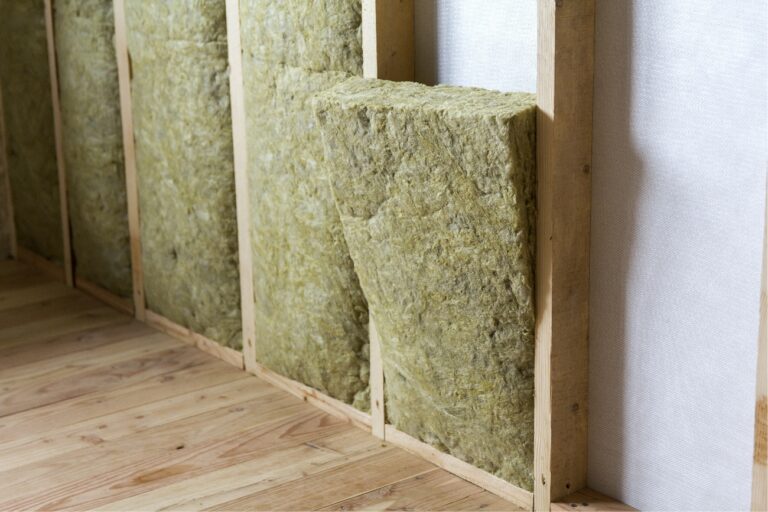
Fixing damp properly usually involves a combination of measures rather than a single intervention. This may include stopping external moisture ingress, improving ventilation, upgrading insulation, and only then repairing internal finishes.
At Go2 Property Services, the focus is on proportionate solutions. Sometimes that means targeted damp-proofing. In other cases, it means addressing external defects or advising changes that reduce condensation risk. The goal is to stop damp returning, not just to make it look better temporarily.
You can read more about treatment options here: Damp Proofing.
When to seek advice before repairing again
If damp has returned once already, repeating the same repair rarely delivers a different result. Before redecorating again, it is worth seeking professional advice to confirm the cause and the correct sequence of work.
Guidance on timing internal repairs is also important. Replastering too early can compromise the outcome. This guide explains when it is appropriate: When should you replaster after damp?.
Conclusion
Damp coming back after repairs is a common experience and does not mean the problem is unsolvable. In most cases, it is a sign that the original diagnosis was incomplete or that contributing factors were overlooked.
By taking a survey-led approach and addressing moisture at its source, you can break the cycle of repeated repairs and protect your home for the long term. Clear diagnosis saves time, money and frustration, and ensures that when repairs are carried out, they last.
FAQs
Why does damp come back after replastering?
Replastering hides symptoms but does not stop moisture. If the source of damp is not addressed first, the problem usually returns.
Can condensation cause recurring damp?
Yes. Condensation is frequently mistaken for structural damp, leading to ineffective repairs and repeated problems.
Is a damp survey worth it if repairs have already failed?
Yes. A damp survey can identify why previous repairs did not work and help avoid repeating the same mistakes.