When moisture shows itself on walls, windows or ceilings, many UK homeowners ask the same question: is it condensation or damp? The answer matters because the cause determines the right solution. Treating condensation as damp (or vice versa) can lead to unnecessary expense, ineffective repairs and recurring problems. In this guide we explain the differences, the typical signs of each, practical fixes and when it’s time to call in professionals like Go2 Property Services.
Why distinguishing between condensation and damp matters
Condensation and damp can look similar at first glance — black mould, wet patches and musty smells are common to both. However, the underlying causes and long-term implications are different. Condensation is an indoor humidity issue driven by everyday living activities. Damp is the result of water entering building fabric through external defects or construction issues. Misdiagnosis can lead to ineffective fixes and, in the worst cases, structural damage or persistent mould.
What condensation is and how it forms
Condensation happens when warm, moist indoor air meets a cold surface. This causes water vapour to turn back into liquid on windows, walls or tiles. It is particularly common in kitchens, bathrooms and bedrooms during colder months. Everyday activities — cooking, washing, drying laundry indoors and even breathing — add moisture to indoor air. Without adequate ventilation, that moisture has nowhere to escape and condenses on cooler building surfaces.
According to the Energy Saving Trust, improving ventilation and airflow can significantly reduce condensation in homes. Energy Saving Trust – Home ventilation advice.
Signs that point to condensation
- Water droplets on window glass in the morning
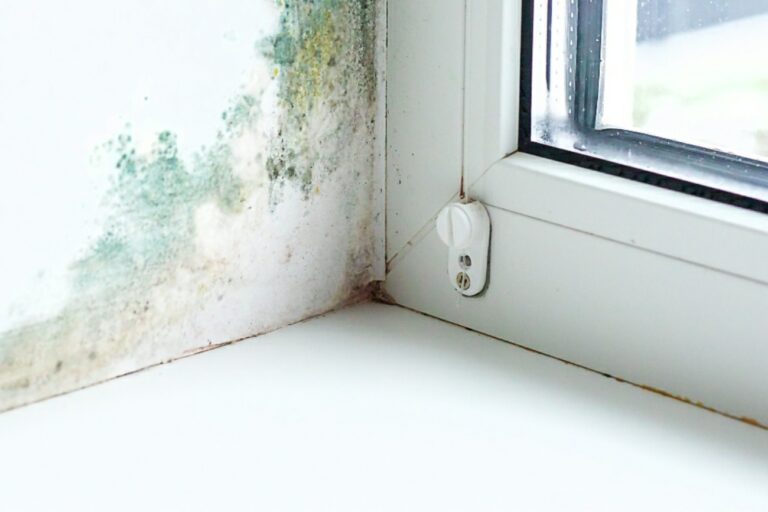
- Black mould around windows or in corners of rooms
- Moisture behind wardrobes or furniture against external walls
- Damp patches that appear after showering or cooking
- Musty indoor smell that correlates with activity patterns
These signs often appear in areas where warm air meets a cold surface. In many cases, addressing ventilation — for example with extractor fans and trickle vents — is enough to reduce or eliminate condensation.
What true damp is and how it differs
Damp is caused by water entering the property from outside or rising from ground level. It requires a moisture source that bypasses the intended barriers in the building structure. Common types include rising damp, penetrating damp and damp caused by defects in gutters, render or flashing. Unlike condensation, damp can affect internal plaster, timber and masonry and may lead to mould growth deep within wall fabric.
Signs that point to real damp
- Tide marks or dark patches on walls, rising from ground level
- Salt deposits (efflorescence) on internal plaster
- Peeling paint or plaster near the base of walls
- Visible penetrating damp after heavy rain
- Rotting skirting boards or timber decay
These signs suggest water ingress from outside or through failed damp-proofing and may require more than ventilation to fix.
Simple checks to help you decide
A few simple tests around the home can help decide whether you’re dealing with condensation or damp:
- Does the issue occur mainly on cold mornings? — Often condensation.
- Is damp visible even after dry weather? — More likely structural damp.
- Are there external defects (missing pointing, failed guttering)? — Might be penetrating damp.
- Is affected plaster powdery or stained with salts? — Strong sign of rising damp.
If in doubt, a professional survey will confirm the cause and recommend a solution.
Practical ways to fix condensation
If your problem is indeed condensation, these steps often help:
- Improve ventilation with extractor fans in kitchens and bathrooms
- Open windows briefly but regularly
- Use a dehumidifier in moisture-prone rooms
- Reduce indoor humidity by avoiding indoor drying of clothes where possible
- Ensure trickle vents in window frames are open
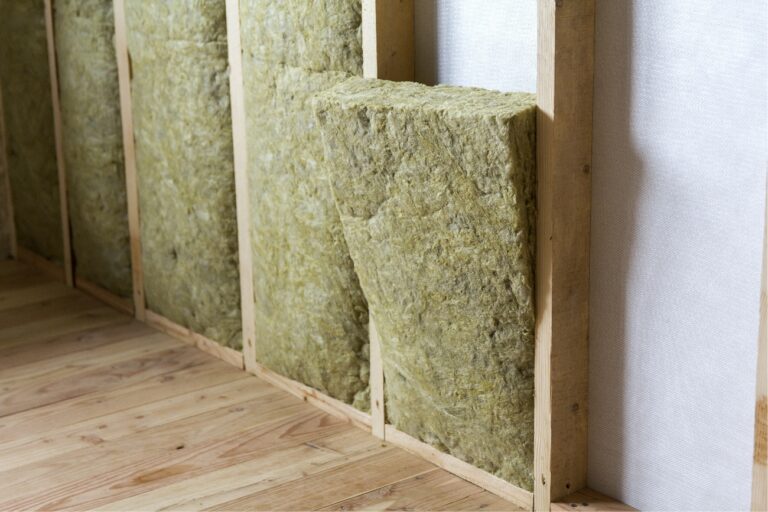
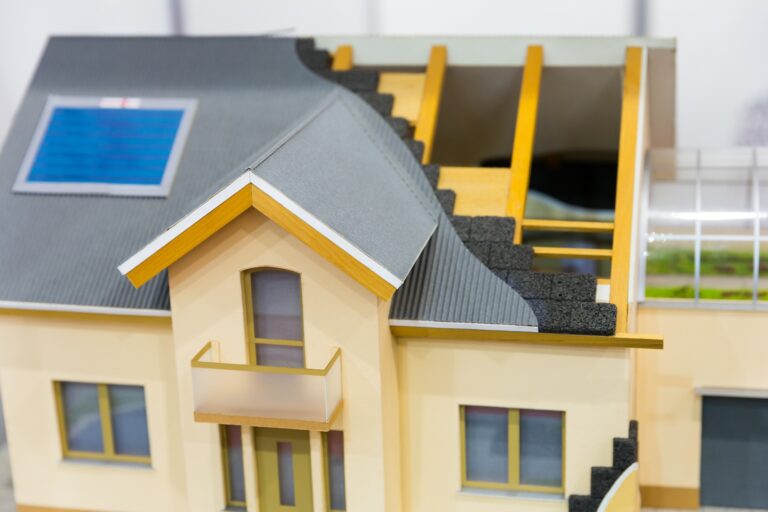
Improving insulation and reducing cold surfaces also helps. For example, solid wall insulation reduces temperature differential and can cut condensation risk, as covered on our Internal Wall Insulation and External Wall Insulation pages.
When you need professional damp treatment
If the cause is structural damp rather than condensation, targeted damp proofing is required. This might include installing a damp-proof course, repairing pointing or rendering, improving drainage, or addressing defective roofing or gutters. Go2 Property Services offers thorough surveys to diagnose damp accurately and recommend the right treatment.
Find out more about our damp solutions: Go2 Damp Proofing. You can also arrange a survey via our Contact page.
Typical costs — condensation fixes vs damp repairs
Costs vary by severity and solution:
- Ventilation and dehumidifier upgrades — typically low cost
- Insulation upgrades — mid-range cost depending on scope
- Damp surveys — industry guides suggest £150–£500
- Professional damp proofing and remedial work — ranges widely with property size
Independent guides such as Checkatrade provide indicative ranges: Checkatrade – Damp proofing costs.
Conclusion
Understanding whether you are dealing with condensation or damp is crucial to applying the correct solution. Condensation is an indoor humidity issue that often responds to improved ventilation and insulation. Structural damp requires targeted waterproofing and repair. If you are unsure, booking a professional survey ensures the right diagnosis and prevents wasted expense on incorrect fixes.
FAQs
Is black mould always a sign of damp?
Not always — black mould can also grow due to condensation. Look for patterns and associated signs to tell the difference.
Can insulation help reduce condensation?
Yes — better insulation raises surface temperatures and reduces condensation formation on walls and windows.
When should I book a damp survey?
If the problem persists after ventilation improvements, if mould returns quickly, or if damp signs appear after rain or at low levels on walls.