Condensation and mould are among the most common problems homeowners notice during colder months. Steamed-up windows, black spots in corners or a musty smell can feel worrying, especially if you are unsure whether it is a simple ventilation issue or the start of a more serious damp problem. Understanding how condensation forms, why mould appears and when moisture becomes damp is key to protecting your home.
In this article, we explain what causes condensation and mould, how they affect your walls, and the practical steps you can take to stop moisture before it leads to long-term damp.
Why condensation happens in UK homes
Condensation occurs when warm, moisture-laden air meets a cold surface. Everyday activities such as cooking, showering, drying clothes indoors and even breathing release water vapour into the air. In homes with poor ventilation or cold external walls, that moisture has nowhere to go and settles on windows, walls and ceilings.
Older properties are particularly vulnerable. Solid walls, single-glazed windows and ageing insulation mean surfaces cool down quickly, increasing the risk of condensation during autumn and winter.
Where condensation and mould usually appear
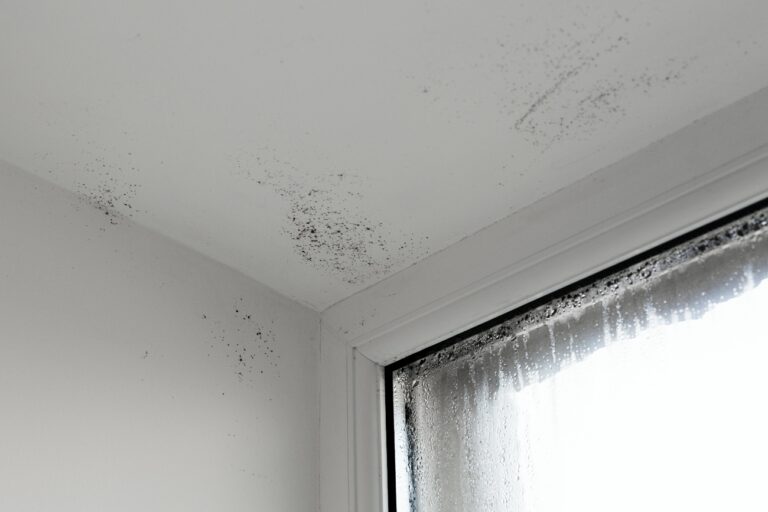
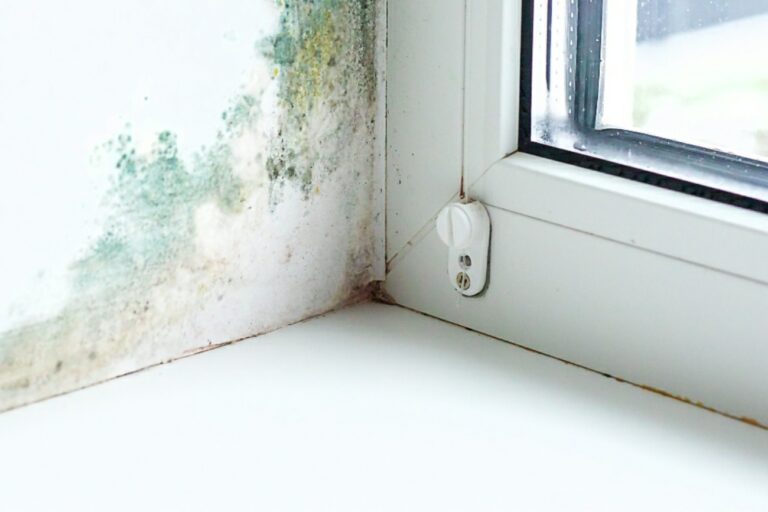
Condensation rarely spreads evenly. Instead, it tends to show up in predictable places:
- On window glass and frames, especially first thing in the morning
- In corners of rooms and behind large furniture placed against external walls
- In bathrooms and kitchens with limited extraction
- On cold external walls in bedrooms and living spaces
When moisture sits on these surfaces regularly, mould spores can begin to grow. This is often the first visible sign that indoor humidity is too high.
Why mould should not be ignored
Mould is more than a cosmetic issue. It can damage paint, plaster and soft furnishings, and it may affect indoor air quality. Prolonged exposure to mould spores is linked to respiratory irritation and can worsen asthma or allergies.
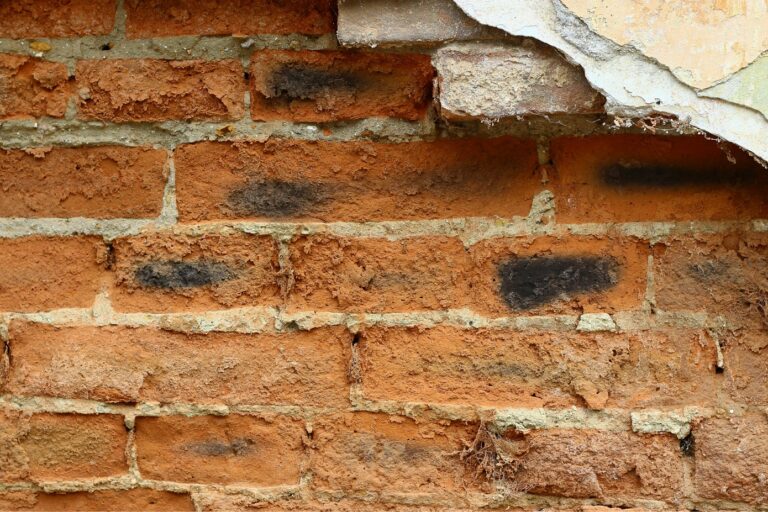
From a building perspective, mould indicates persistent moisture. If left untreated, that moisture can begin to affect plaster, timber and masonry, increasing the risk of damp-related damage.
The NHS highlights that damp and mould can affect health, particularly for children and older adults: NHS guidance on damp and mould.
How condensation can turn into damp
Condensation itself is not the same as damp, but it can create the conditions for damp problems to develop. When moisture is present for long periods, walls can become cold and saturated. This weakens plaster, encourages salt migration and, in some cases, allows moisture to penetrate deeper into the structure.
Over time, what began as condensation can mask or contribute to issues such as penetrating damp or damp at low level on external walls. This is why early intervention matters.
Practical steps to prevent condensation and mould
In many homes, small changes can significantly reduce condensation:
- Use extractor fans in kitchens and bathrooms during and after use
- Open windows briefly each day to allow fresh air circulation
- Avoid drying clothes indoors where possible, or ventilate the room well
- Keep furniture slightly away from external walls
- Maintain a steady indoor temperature rather than letting rooms cool completely

Improving ventilation is one of the most effective ways to manage indoor moisture. The Energy Saving Trust provides clear advice on home ventilation: Energy Saving Trust – ventilation guidance.
The role of insulation in moisture control
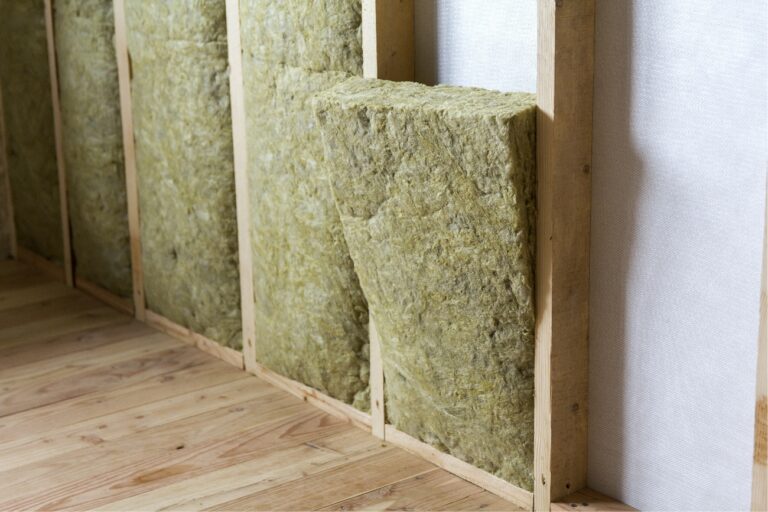
Cold surfaces attract condensation. Improving insulation raises wall temperatures and reduces the likelihood of moisture forming. For solid wall properties, internal or external wall insulation can make a noticeable difference, both in comfort and condensation control.
Better insulation also improves energy efficiency and reduces heating costs, making it a long-term investment rather than a quick fix.
You can learn more about insulation options here: Internal Wall Insulation and External Wall Insulation.
When condensation may not be the whole story
If mould or damp patches persist despite good ventilation and heating, it may indicate an underlying damp issue. Signs that suggest a professional inspection is needed include:
- Damp patches that worsen after rainfall
- Tide marks or salt staining on walls
- Crumbly plaster or rotting skirting boards
- Musty smells that do not improve with ventilation
In these cases, a damp survey can identify whether the problem is condensation, penetrating damp or another moisture source. This avoids unnecessary treatments and ensures the right solution is applied.
If you are unsure, you can arrange an inspection here: Book a Damp Survey Surrey.
How Go2 helps prevent long-term damp
Go2 Property Services takes a survey-led approach to moisture problems. Rather than treating symptoms alone, surveys assess ventilation, insulation, external defects and internal finishes to understand how moisture is behaving within the property.
This allows for practical, proportionate solutions, whether that involves improving airflow, repairing external walls, upgrading insulation or carrying out damp-proofing work where necessary.
Find out more about our services: Damp Proofing and Plastering Services.
Conclusion
Condensation and mould are common in UK homes, particularly during colder months, but they should never be ignored. By understanding how moisture forms, improving ventilation and insulation, and acting early, you can protect your walls and prevent condensation from developing into damp.
If problems persist or you are unsure of the cause, a professional damp survey provides clarity and peace of mind. Early diagnosis not only protects your property but also helps avoid costly repairs in the future.
FAQs
Is condensation always a sign of damp?
No. Condensation is caused by indoor humidity and cold surfaces, whereas damp involves water entering the building structure.
Can insulation help prevent mould?
Yes. Insulation raises surface temperatures, making condensation less likely and reducing mould growth.
When should I book a damp survey?
If moisture or mould keeps returning despite good ventilation, or if you see signs like tide marks or damp patches after rain, a survey is recommended.