Plastering is often overlooked until you’re faced with cracked walls or a renovation project. Quality plasterwork provides a smooth, durable finish that enhances insulation and soundproofing. Whether you’re refurbishing a room or building an extension, understanding plastering and dry lining will help you plan effectively. This guide explores the benefits, processes and options available for properties in Surrey and London.
What is plastering?
Plastering involves applying a wet mixture of gypsum, lime or cement and sand to walls and ceilings. Once dry, it forms a hard, smooth surface ready for decorating. Plastering hides uneven masonry, improves fire resistance and protects walls from everyday wear. Common plastering methods include:
Wet plastering: A traditional technique where plaster is applied in one or more coats. Suitable for older buildings and curved surfaces, wet plaster provides excellent acoustic and thermal properties.
Skim coating: Applying a thin layer of finishing plaster over existing plasterboard or old plaster. Skimming refreshes tired surfaces without the need to remove the underlying material.
Lath and plaster: Wooden laths nailed to the wall frame are covered with multiple coats of plaster. This method is rarely used in modern construction but is found in period properties.
What is dry lining?
Dry lining involves attaching plasterboard (also known as gypsum board) to walls or ceilings. The joints are then taped and skimmed to create a smooth finish. This method is faster than traditional plastering and is widely used in new builds and renovations.
Dry lining offers several advantages:
- Speed: Because plasterboard is hung dry, there is less drying time.
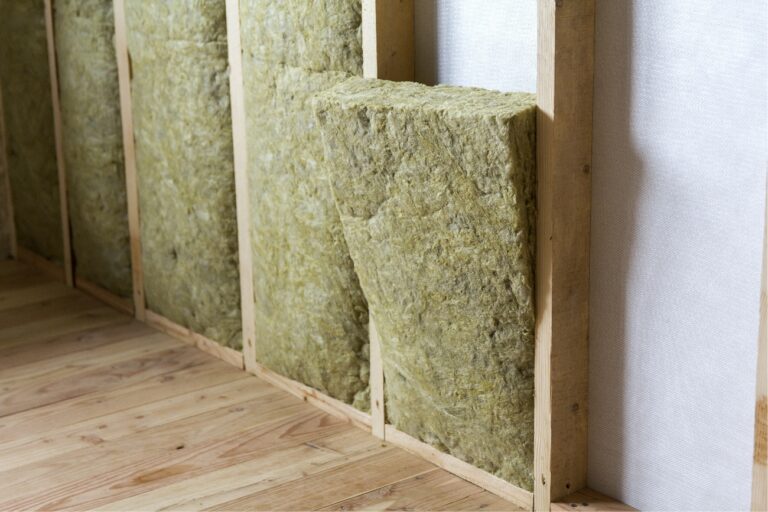
- Flexibility: Boards can hide wires and insulation, making it ideal for modern electrical and insulation requirements.
- Lightweight: Plasterboard is lighter than wet plaster, reducing structural load.
- Variety: Options include moisture‑resistant boards for bathrooms and fire‑resistant boards for safety.
Choosing between plastering and dry lining
The right option depends on your property, budget and finish preferences. Wet plastering produces a solid, hard‑wearing surface and is ideal for uneven walls or period homes. It can cope with curves and intricate detailing such as cornices and ceiling roses. However, it requires more drying time and skilled labour.
Dry lining is quicker and more cost‑effective. It’s suitable for straight walls and ceilings and can incorporate insulation for improved energy efficiency. While some homeowners worry that dry lined walls feel hollow, modern plasterboard systems are robust and offer excellent performance when installed correctly.
The plastering process explained
Site preparation – A professional plasterer will assess the wall condition, remove loose material and protect floors and furniture.
Base coat application – If wet plastering, a base coat (known as a scratch or bonding coat) may be applied to even out the surface.
Finishing coat – A smooth finishing coat is trowelled on and left to dry. For dry lining, joints and screw heads are taped and skimmed with finishing plaster.
Drying time – Plaster must dry thoroughly. This can take several days depending on temperature and humidity.
Decoration – Once dry, you can paint, wallpaper or tile the surface.
Why hire a professional plasterer?
While minor repairs like small cracks can be tackled by confident DIY enthusiasts, most plastering work is best left to professionals. Achieving a level, smooth surface requires experience and the right tools. Poor plastering leads to visible bumps, hollows and cracking. Professional plasterers:
- Ensure proper preparation and adhesion.
- Create a flawless finish ready for decorating.
- Work efficiently to minimise disruption.
- Advise on the best materials for your project, including eco‑friendly lime plaster or moisture‑resistant boards.
- Comply with building regulations and health and safety requirements.
How GO2 can help
GO2 Property Services provides comprehensive plastering and dry lining across Surrey and London. Our services include:
- Full wall and ceiling plastering – Perfect for new builds, refurbishments and extensions.
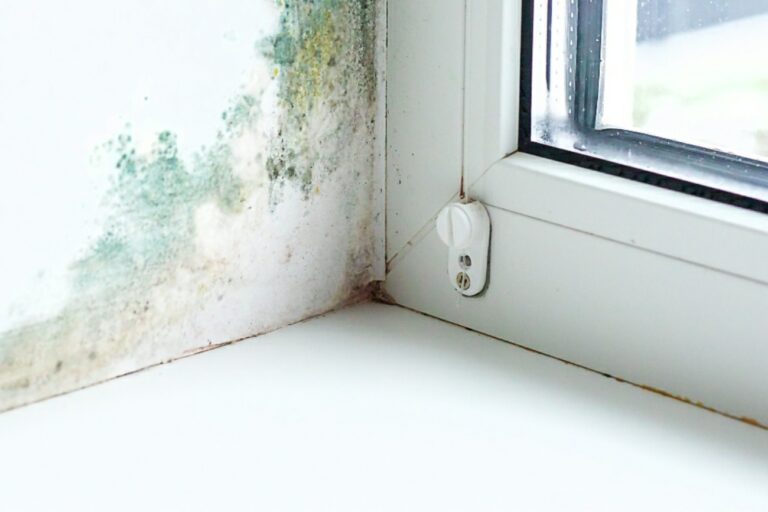
- Insurance and damp‑repair work – We restore plaster after flooding or damp remediation, ensuring a seamless finish.
- Dry lining and plasterboarding – Ideal for creating partition walls or renovating tired spaces.
- Small repairs – We patch holes, repair cracked plaster and blend seamlessly with existing surfaces.
Our process is clear and simple. We start with an on‑site consultation and quote, discuss scheduling around your needs and complete the work using qualified plasterers. We protect your home, clean up afterwards and provide aftercare support. Customers appreciate our transparent communication and reliable service.
Maintaining plastered surfaces
Once your walls and ceilings are smooth, keep them in top condition by:
- Allowing fresh plaster to fully dry before decorating. Don’t rush the drying process or use forced heat, which can cause cracking.
- Using breathable paints, especially in older homes, to allow moisture to escape.
- Fixing minor cracks promptly to prevent them from expanding.
- Avoiding heavy impacts that could dent plasterboard walls.
Quality plastering improves your home’s appearance, comfort and value. Whether you choose traditional wet plastering or modern dry lining, investing in professional workmanship ensures a beautiful finish that lasts. To discuss your project in Surrey or London, contact GO2 Property Services for friendly advice and a no‑obligation quote.