Damp is one of the most common and destructive problems affecting properties in the UK. Whether you live in a period cottage in Surrey or a modern flat in London, unwanted moisture can damage walls, lead to mould growth and even threaten the structural integrity of your home. In this guide, we explain the three main types of damp—rising damp, penetrating damp and condensation—what causes them, how to spot the warning signs and how professional damp proofing can solve the problem.
Rising damp
Rising damp occurs when moisture from the ground is drawn up through porous building materials like bricks and mortar. This capillary action allows water to move upward through walls, leaving lower sections saturated. A failed or missing damp proof course (DPC) is the usual culprit. Signs of rising damp include tide marks on walls, peeling wallpaper, stained or crumbling plaster and a musty smell. Wooden skirting boards may show rot, and mould may appear around floor levels.
If you suspect rising damp, it’s important to contact a specialist. A surveyor will determine whether the existing DPC has failed or if ground levels have bridged it. Solutions can range from installing a new chemical DPC to fitting a physical membrane. Once the source is addressed, affected walls need time to dry before redecoration.
Penetrating damp
Unlike rising damp, which typically affects lower walls, penetrating damp can occur at any level. Water penetrates the building envelope through defects such as cracked render, porous brickwork or faulty gutters and downpipes. Heavy rain or driving winds often worsen the problem. On internal surfaces you might see damp patches that grow after rainfall, blistering paint, damaged plaster or fungal growth.
The first step in tackling penetrating damp is to identify and rectify the external fault. This may involve repairing render, replacing broken roof tiles, repointing brickwork or fixing flashing around windows. A damp survey will pinpoint the source and recommend appropriate repairs. Left untreated, penetrating damp can lead to timber decay and structural damage, so prompt action is essential.
Condensation
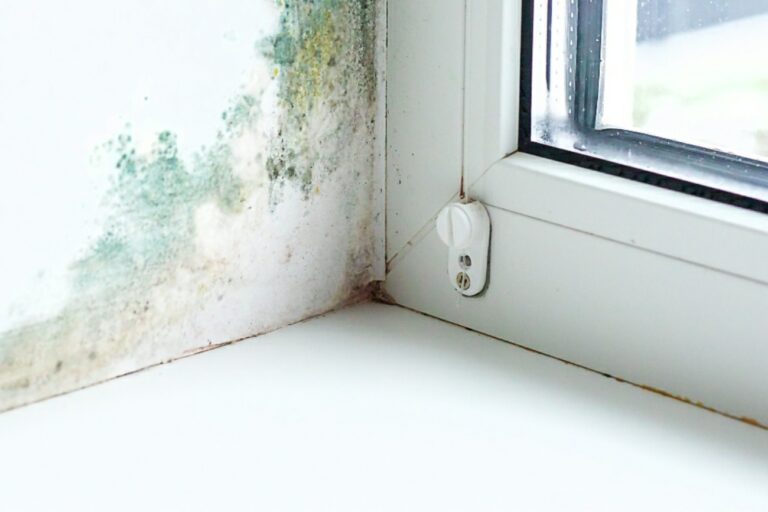
Condensation is caused by warm, moisture‑laden air meeting a cold surface and releasing water droplets. Everyday activities like cooking, showering and drying laundry indoors can generate significant moisture. When this moisture condenses on walls or windows it creates an ideal environment for mould spores to thrive.
Signs of condensation include misty windows, water droplets on surfaces, black mould on walls and ceilings and a damp odour. Condensation is especially common in bathrooms, kitchens and bedrooms where ventilation is poor. To reduce condensation, open windows or use extractor fans to remove moist air, avoid drying clothes indoors and ensure air bricks are unobstructed. For persistent issues, Positive Input Ventilation (PIV) systems can improve air circulation.
Health and structural risks
All three types of damp can create a hazardous environment for occupants. Mould spores trigger respiratory problems and allergies; damp timbers attract pests and rot; and excess moisture weakens bricks and mortar. Neglected damp can lead to structural problems and significant damage to a home’s fabric, so quick diagnosis and treatment are vital.
Professional damp proofing
While DIY fixes may offer temporary relief, professional damp proofing provides lasting protection. Trained surveyors will assess your property, identify the type and cause of damp and propose appropriate treatments. Options include installing or repairing damp proof courses, applying waterproof membranes, treating walls with chemical barriers and improving ventilation. In some cases, specialist drying equipment is used to speed up the drying process after repairs.
In Surrey, London and Berkshire, GO2 Property Services delivers damp surveys, detailed reports and effective treatment plans. By combining traditional techniques with modern technology, they ensure homes remain dry, structurally sound and free from mould. Whether you need rising damp treatment, penetrating damp repairs or condensation control, their experience and local knowledge make them a trusted choice.