Cracks above windows and doors often worry homeowners more than ordinary wall cracks, and understandably so. Openings in a wall are natural weak points, so when a crack appears above a frame it is easy to wonder whether the issue is structural, damp-related or simply normal movement.
The truth is that some cracks in these areas are relatively minor, while others deserve a closer look. The key is to assess the crack pattern, width, timing and any other symptoms that appear alongside it.
If you want clarity before carrying out repairs, you can book a damp survey in Surrey with Go2 Property Services.
Why do cracks appear above windows and doors?
Windows and doors interrupt the wall structure, so the materials around them respond differently to drying, thermal movement and settlement. Cracks often appear near lintels, corners and junctions because these are points where different materials meet or where movement gets concentrated.
In many homes, this is not automatically a sign of major structural failure. It may simply reflect normal movement, especially if the crack is fine, stable and not getting worse.
Common causes of cracks above windows and doors
1. Thermal movement
Walls expand and contract slightly as temperature and moisture levels change. This can create small vertical cracks around openings, especially near lintels or where plasterboard and masonry meet. These cracks may open and close slightly through the year.
2. Settlement in newer or altered structures
Some cracks form as a building settles or as previous building work beds in. This can happen around extensions, replacement openings or areas where load paths have changed. Small settlement cracks are not unusual, but they should still be monitored.
3. Lintel-related cracking
Cracks above openings are often linked to the lintel area. The crack may run from the corner of a window or door, or appear along the line above it. Sometimes the issue is cosmetic movement in the plaster. In other cases, the crack pattern suggests movement that needs a closer look.
4. Damp-related plaster failure
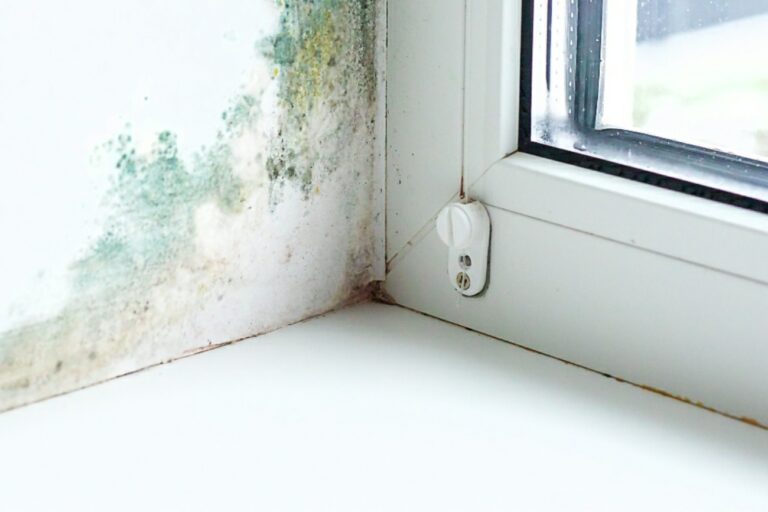
Not every crack above a window or door is structural. Moisture can weaken plaster, cause finishes to fail and make cracking more noticeable. If the crack appears with bubbling paint, staining or a musty smell, damp may be part of the picture rather than a separate issue.
5. More serious structural movement
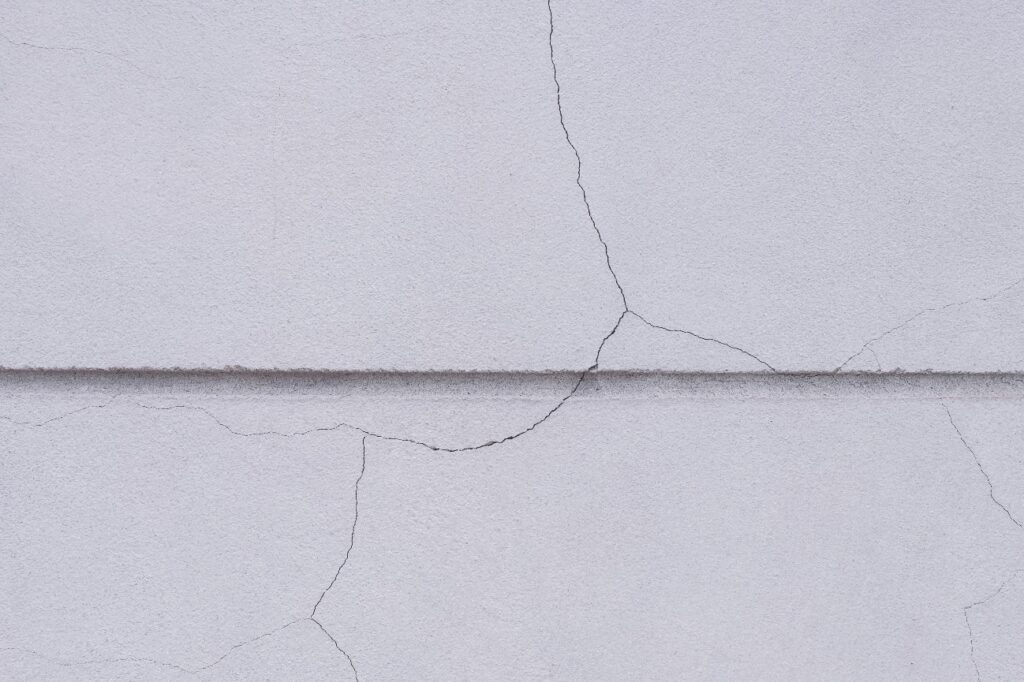
Wider cracks, sudden changes, sticking frames or multiple cracks in related areas may indicate something more significant. That does not automatically mean subsidence, but it does mean the pattern should be assessed rather than filled and forgotten.
What should you check?
When looking at cracks above windows and doors, pay attention to:
- whether the crack is hairline or clearly wider
- whether it is vertical, diagonal or stepped
- whether it is getting longer or wider over time
- whether nearby doors or windows have started sticking
- whether there is staining, dampness or plaster damage in the same area
If the crack is very fine, stable and unaccompanied by other warning signs, it may be cosmetic. If it is worsening or sits alongside other symptoms, it is worth investigating properly.
When is a crack more likely to be minor?
Minor cracks are often:
- thin and consistent in width
- limited to plaster rather than brickwork
- found near junctions and openings
- not associated with sticking doors or window movement
- stable over time
Go2 already explains the wider picture in Hairline Cracks vs Structural Cracks: How to Spot and Deal With Cracks in Your Home, which is a useful companion to this topic.
When should you be more concerned?
You should take cracks more seriously if they appear suddenly, become clearly wider, run diagonally through masonry, or come with signs such as sticking frames, repeated redecoration failure or visible damp. A crack that keeps returning after filling usually needs diagnosis, not just another cosmetic repair.
If damp is part of the pattern, this related guide may help too: Winter Wall Issues: Damp, Cracks & Condensation Explained.
Could damp be making the crack look worse?
Yes. Damp does not usually create structural movement on its own, but it can damage plaster, soften finishes and make cracking more visible. Moisture around a window opening may also point to failed sealant, condensation, cold bridging or water ingress from outside.
If you can see staining, peeling paint or mould near the crack, read Is Condensation or Rising Damp to Blame? How to Tell the Difference in Surrey Homes and Signs of Damp in a House.
Should you fill the crack straight away?
Not always. If the crack is cosmetic and stable, filling and redecorating may be reasonable. But if the cause is uncertain, repairing the finish too early can hide the pattern and make diagnosis harder. If damp has affected the surrounding plaster, timing also matters. This guide explains more: When Should You Replaster After Damp? A Step-by-Step Explanation.
Where internal finishes need renewal, Go2 also provides professional plastering services.
When should you arrange a survey?
You should consider a survey if:
- the crack is wider than a fine hairline crack
- it has grown, reappeared or spread
- doors or windows are sticking nearby
- there are damp marks, staining or mould in the same area
- you are buying, selling or planning repairs and want certainty
A survey-led approach helps distinguish cosmetic cracking from damp-related failure, lintel movement or more serious structural concerns. If you want to know what the process involves, read Damp Survey Surrey: When to Book One and What You’ll Learn.
Need help with cracks above windows and doors in Surrey?
Cracks around openings are common, but they are not all the same. Some are harmless movement. Some relate to damp or plaster breakdown. A few may indicate a bigger issue that should not be ignored. The right next step is to look at the full pattern before deciding on repairs.
Book a damp survey in Surrey with Go2 Property Services if you want an expert opinion before filling, plastering or redecorating.
For broader consumer guidance on cracking and movement, see RICS here: Subsidence: a guide for homeowners. For new-build movement patterns around lintels and openings, NHBC’s guidance note is also useful: Cracking in your home.