Condensation or rising damp is a question many homeowners ask after noticing mould, peeling paint or damp patches on their walls. I recently visited a family in Surrey who had been wiping condensation from their bedroom windows every morning, while also worrying about dark marks near their skirting boards. They had received conflicting advice and didn’t know whether they needed ventilation improvements or structural damp treatment. Understanding the difference between condensation and rising damp is essential before spending money on repairs.
This guide explains what causes each problem, how to recognise the signs, and when it makes sense to book a professional inspection.
Why diagnosing condensation vs rising damp matters
Condensation and rising damp can look similar on the surface, but they require very different solutions. Treating condensation as rising damp can lead to unnecessary structural work. Treating rising damp as condensation can leave moisture problems unresolved.
A clear diagnosis saves time, avoids wasted expense, and helps you fix the problem properly rather than repeatedly redecorating.
What causes condensation in UK homes
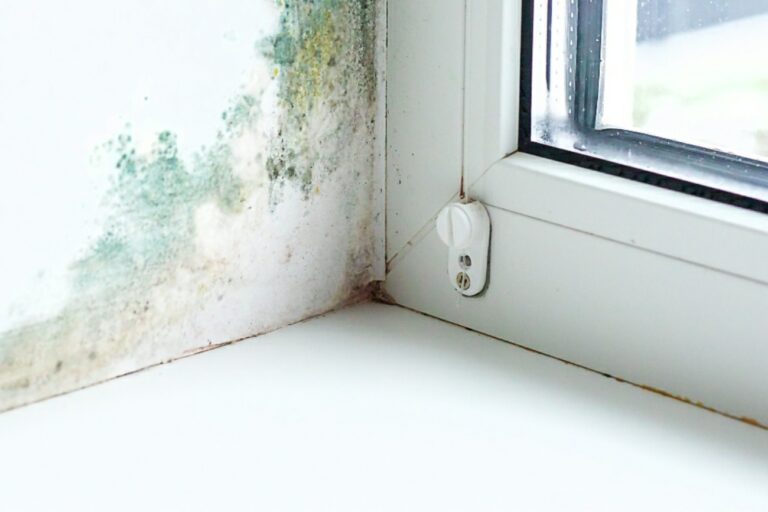
Condensation occurs when warm, moist air meets a cold surface and turns back into water droplets. Everyday activities such as cooking, showering and drying clothes indoors release large amounts of moisture into the air. In homes with limited ventilation or cold external walls, that moisture has nowhere to go.
Condensation is most common in:
- Bedrooms with poor airflow
- Bathrooms without extractor fans
- Kitchens where steam is not vented outside
- Rooms with cold external walls
You may notice streaming windows, black mould in corners, or damp patches behind furniture. Independent guidance on managing indoor moisture is available from the Energy Saving Trust: ventilation advice.
What causes rising damp
Rising damp occurs when moisture from the ground travels upward through masonry by capillary action. Most modern homes rely on a damp-proof course (DPC) to stop this movement. In older properties, the DPC may be damaged, bridged or missing altogether.
Typical signs of rising damp appear at low level and include:
- Tide marks on walls
- Powdery white salts on plaster
- Deteriorating skirting boards
- Plaster breaking down near floor level
Unlike condensation, rising damp usually affects the lower part of walls and remains present regardless of daily activities.
Condensation or rising damp: how to tell the difference
Although both problems involve moisture, their patterns are different. These checks can help you narrow it down:
- Location: Condensation often appears high on walls and in corners. Rising damp stays close to the floor.
- Timing: Condensation worsens in winter and after showers or cooking. Rising damp is more consistent.
- Surface feel: Condensation areas feel cold. Rising damp areas often feel damp even in warmer weather.
- Salts: White powdery deposits usually point to rising damp rather than condensation.
- Furniture impact: Condensation commonly develops behind wardrobes and sofas on external walls.
If you are unsure, this checklist may help: Signs of damp in a house.
Simple checks you can do yourself
Before calling a professional, there are a few practical steps you can take:
- Wipe affected areas dry and see how quickly moisture returns
- Note whether patches worsen after rainfall or after indoor activities
- Check ventilation in kitchens and bathrooms
- Photograph problem areas over several weeks
- Feel walls at different heights for temperature and moisture
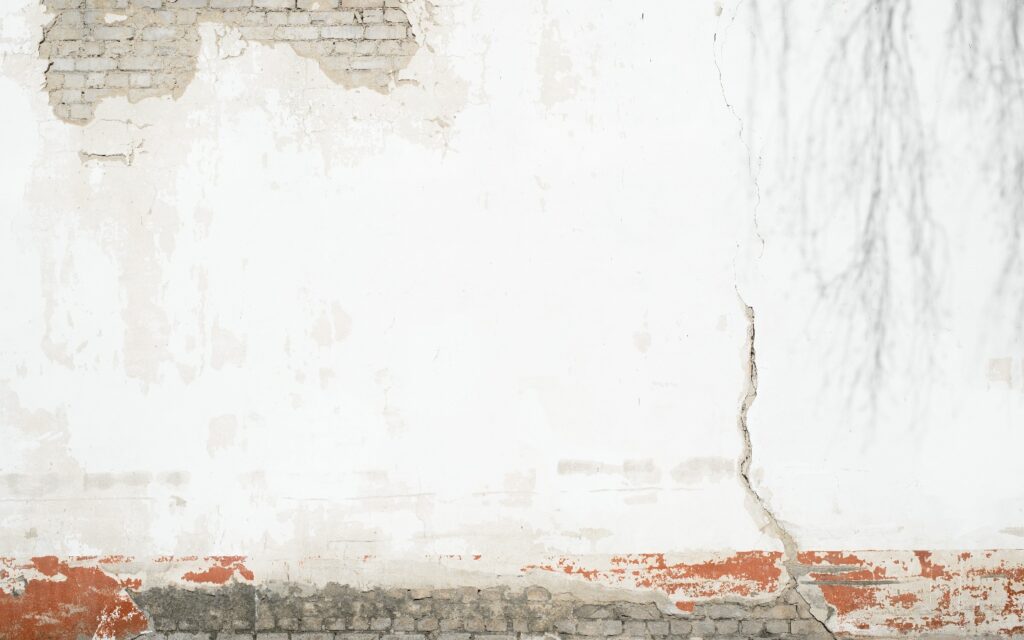
These observations can be useful when discussing the issue with a surveyor.
When to book a damp survey
If moisture problems persist, or if symptoms overlap, professional diagnosis is the safest next step. A survey can determine whether you are dealing with condensation, rising damp, penetrating damp or a combination of factors.
You should consider booking a survey if:
- Damp patches keep returning after redecorating
- Skirting boards or plaster are deteriorating
- Mould reappears despite improved ventilation
- You are buying or selling a property
You can arrange an inspection here: Book a Damp Survey Surrey.
What happens after diagnosis
Once the cause is confirmed, the solution becomes much clearer. Condensation problems often improve with better ventilation, heating balance and insulation. Rising damp may require structural measures combined with internal repairs.
If plaster has been affected, timing matters. This guide explains when walls should be renewed: When should you replaster after damp?.
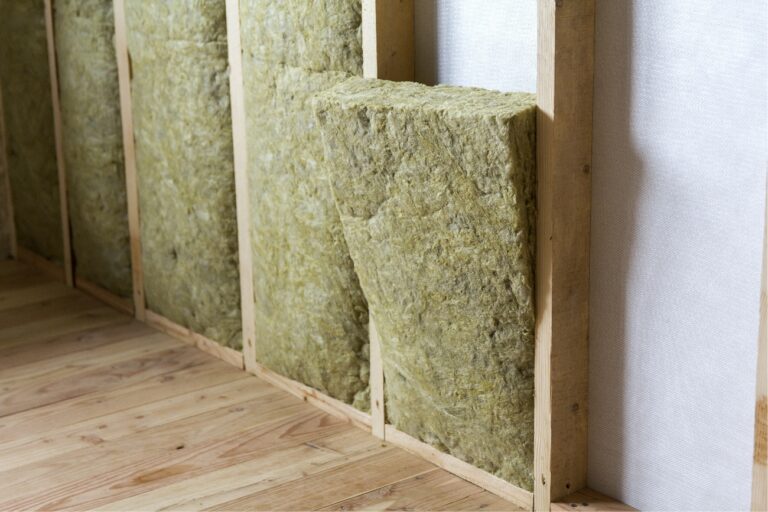
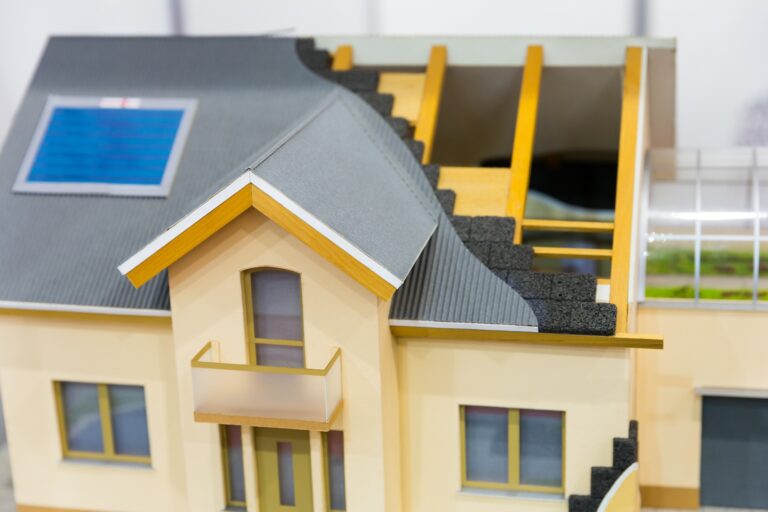
In some homes, improving wall insulation also helps reduce cold surfaces that attract condensation: Internal wall insulation.
Conclusion
Condensation and rising damp may look similar, but they behave differently and need different treatments. Understanding which problem you are facing prevents unnecessary work and helps protect your home long term.
If moisture keeps returning or you want clarity before carrying out repairs, a professional damp survey can provide the answers you need and ensure any work is based on accurate diagnosis rather than guesswork.
FAQs
Can condensation be mistaken for rising damp?
Yes. Both can cause mould and damp patches, but condensation usually appears higher on walls and responds to ventilation changes.
Does rising damp affect the whole wall?
No. Rising damp typically affects the lower part of walls, often leaving tide marks and salt deposits.
Should I redecorate before fixing damp?
No. Always resolve moisture issues first, otherwise decoration is unlikely to last.