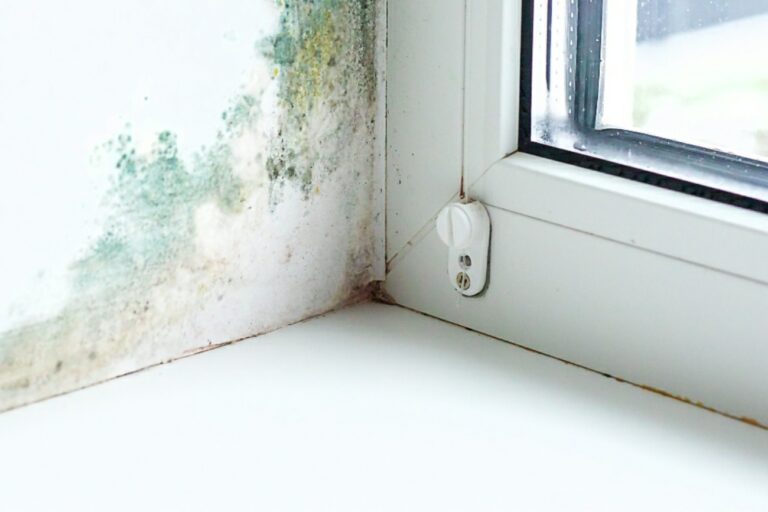
Damp survey Surrey enquiries often begin with uncertainty rather than obvious damage. I once visited a 1930s home near Guildford where the owners had noticed a faint musty smell and a small patch of peeling paint behind a sofa. They assumed it was condensation and kept the window open more often. Months later, the skirting boards had started to crumble. Understanding the difference between early signs of damp and more serious damp problems is key to knowing when monitoring is enough and when professional advice is needed.
What early signs of damp usually look like
Early damp symptoms are often subtle and easy to dismiss. They may appear intermittently and seem to improve with simple changes such as increased ventilation or heating. Common early signs include:
- Light mould growth in corners or around window frames
- A mild musty smell in cupboards or behind furniture
- Small areas of flaking paint or wallpaper
- Condensation forming regularly on cold external walls
At this stage, the issue may be linked to lifestyle factors, seasonal weather or ventilation. However, even early signs are worth keeping an eye on, as persistent moisture can gradually affect plaster, timber and masonry.
When damp becomes a more serious problem
Serious damp problems tend to show clearer, more persistent symptoms. These signs usually indicate that moisture is entering the building fabric or becoming trapped within it. Warning signs include:
- Tide marks or staining rising from the base of walls
- White, powdery salt deposits on plaster or brickwork
- Crumbling or rotten skirting boards
- Damp patches that remain even during dry weather
- Plaster that sounds hollow or breaks away easily
When these symptoms appear, the underlying cause is unlikely to resolve on its own. At this point, a professional inspection is usually required to prevent further deterioration.
Why damp problems often escalate in Surrey homes
Many properties across Surrey were built before modern damp-proofing and insulation standards. Solid walls, older render systems and ageing brickwork can all influence how moisture moves through a building. Changes in how homes are heated and ventilated also play a role.
In recent years, improvements such as double glazing and draught-proofing have reduced airflow in many homes. While this improves energy efficiency, it can also trap moisture if ventilation is not addressed at the same time. Combined with wet winters and driving rain, this creates ideal conditions for damp problems to worsen.
How to monitor damp before it worsens
If you suspect early damp, monitoring can provide useful information. Start by noting where the issue appears and whether it changes over time. Simple steps include:
- Measuring and photographing damp patches monthly
- Noting whether patches worsen after rainfall or cold weather
- Checking ventilation use in affected rooms
- Looking for new symptoms such as mould or plaster damage
This approach mirrors how surveyors monitor hairline cracks, and it can help determine whether the problem is stable or progressing.
When a damp survey in Surrey becomes essential
There are clear situations where booking a damp survey Surrey homeowners rely on is the sensible next step. These include:
- A mortgage or homebuyer report flags damp concerns
- Mould or damp returns despite improved ventilation
- Visible salts, damaged skirting boards or failing plaster
- Uncertainty over whether the issue is condensation or true damp
- Buying or selling a property and needing clarity

A professional survey removes guesswork and helps avoid unnecessary or ineffective treatments.
What a professional damp survey should tell you
A proper damp survey focuses on diagnosis rather than selling a specific solution. It should identify the most likely cause of moisture and explain how it is affecting the building. This typically includes:
- Assessment of internal moisture patterns
- External inspection of walls, render, brickwork and drainage
- Consideration of ventilation and insulation
- Clear guidance on whether treatment is required now or can be monitored
This level of detail allows you to make informed decisions about repairs and timing.
How Go2 approaches damp surveys
Go2 Property Services takes a survey-led approach to damp investigation. Each inspection looks at the whole property, not just the visible symptoms. By understanding how moisture, ventilation and building materials interact, the survey can recommend practical, proportionate solutions.
If treatment is needed, options are explained clearly. If monitoring or minor changes are sufficient, that advice is given honestly.
You can learn more about treatment options here: Damp Proofing.
Next steps
Early damp signs do not always mean serious problems, but ignoring persistent symptoms can lead to costly repairs. Knowing when to monitor and when to act is the key to protecting your home.
If you would like clarity on what you are seeing, you can arrange an inspection here: Book a Damp Survey Surrey.
Conclusion
Understanding the difference between early signs of damp and more serious damp problems helps you take the right action at the right time. Minor symptoms may be manageable with improved ventilation and monitoring, but persistent or worsening signs usually require professional input.
A damp survey provides reassurance, clear diagnosis and a practical plan, helping you protect both your property and your peace of mind.
FAQs
Are early signs of damp always serious?
No. Some early signs are linked to condensation or seasonal conditions, but they should still be monitored carefully.
Can condensation look like damp?
Yes. Condensation and damp often share similar symptoms, which is why professional diagnosis is important.
Do I need a damp survey before buying a house?
If a survey flags damp or you notice visible signs, a specialist damp survey can help you understand the risk and potential costs.