Damp is a common problem in UK homes, and the climate in Surrey and London makes properties especially susceptible. In this comprehensive guide, we explain the three main types of damp—rising, penetrating and condensation—how to identify them and the steps homeowners can take to protect their properties.
Understanding the causes
Rising damp happens when moisture from the ground is drawn up through the masonry. Over time the damp travels up walls, leaving tide marks, peeling wallpaper and musty smells. A defective or missing damp proof course allows this to occur. Penetrating damp occurs when water leaks through the fabric of a building, often due to damaged gutters, cracked render or missing roof tiles. Condensation forms when warm moist air meets a cold surface, causing droplets on windows and walls. Condensation is common in poorly ventilated rooms like bathrooms and kitchens.
Signs to look for
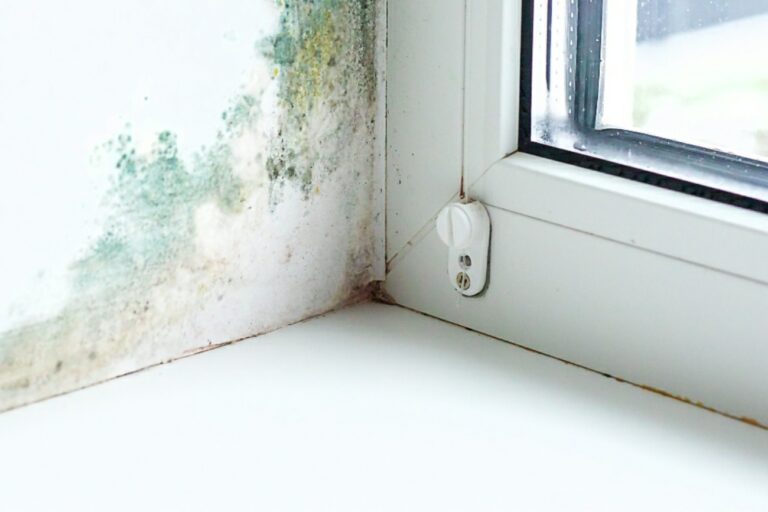
Each type of damp has tell‑tale symptoms. Rising damp often leaves tidemarks on walls, crumbling mortar and rotting skirting boards. Penetrating damp shows up as localised patches of dampness, damaged plaster or mould growth on ceilings and walls. Condensation reveals itself through water droplets on glass, foggy windows, peeling paint and black mould. Paying attention to these signs will help homeowners act before more serious structural problems develop.
Health risks
Damp environments are a breeding ground for mould and fungi. Mould spores can aggravate respiratory conditions, particularly in children and the elderly. Untreated damp can also cause wood rot, weakening structural timbers and leading to expensive repairs. Addressing the underlying cause promptly reduces these health risks and preserves the value of your home.
Preventing and treating rising damp
The most effective way to stop rising damp is to maintain a continuous damp proof course (DPC). Traditional properties sometimes have outdated or damaged DPCs. Professional damp proofing specialists can install a new physical membrane or inject chemical barriers to prevent water from rising. Homeowners should also check that ground levels outside have not been raised above the DPC by driveways or patios. Once a new DPC is in place, allow the walls to dry thoroughly before redecorating.
Penetrating damp solutions
Eliminating penetrating damp requires identifying and repairing the source of moisture. Begin by inspecting gutters, downpipes and roof tiles for leaks. Check that pointing and render are sound. Repointing brickwork and applying breathable exterior coatings can prevent rainwater from seeping through. In some cases, installing a cavity tray or applying tanking slurry may be necessary. A professional surveyor can suggest the right combination of repairs and treatments.
Managing condensation
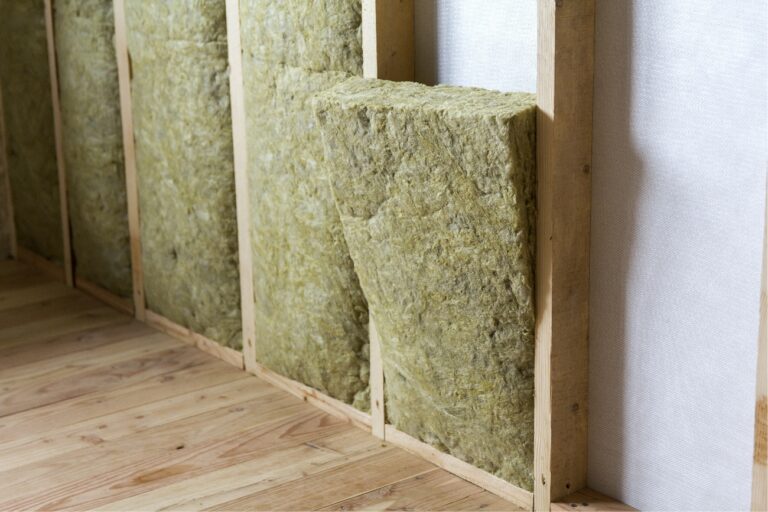
Condensation is often caused by everyday activities such as cooking and drying clothes indoors. Improving ventilation is the key to prevention. Open windows regularly, use extractor fans in kitchens and bathrooms and ensure air vents are unobstructed. Installing a Positive Input Ventilation (PIV) system can provide a continuous supply of fresh air to reduce humidity. Thermal insulation also plays a part; insulated walls and double‑glazed windows reduce cold surfaces that encourage condensation.
When to seek professional help
DIY solutions can sometimes mask the symptoms without addressing the cause. If damp persists or recurs, it’s wise to arrange a survey with a certified damp proofing specialist. A professional will carry out a detailed inspection using moisture meters and thermal imaging to pinpoint the source of water ingress. They will then recommend treatments such as DPC installation, cavity drainage systems or ventilation upgrades. Early intervention prevents minor issues from turning into major structural problems.
The benefits of acting early
Addressing damp promptly protects your health and property. By installing a new damp proof course, repairing defects and improving ventilation you can create a dry, healthy living environment. The value of your home is safeguarded, and heating costs may decrease because dry walls retain heat more effectively. Local experts like Go2 Property Services offer tailored solutions and free consultations in Surrey, London and the Home Counties.