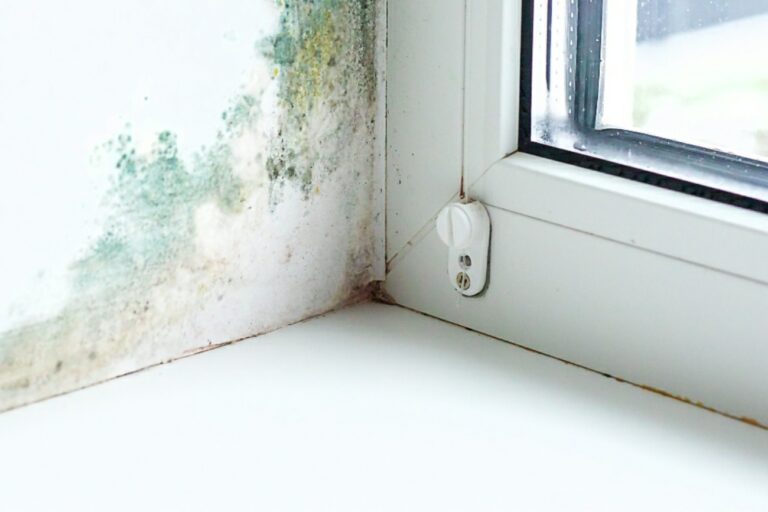
Condensation and mould are common problems in UK homes, especially during colder months. While most homeowners recognise the sight of steamed-up windows or black mould patches, fewer understand the underlying causes or the long-term risks. At Go2 Property Services, we regularly see how minor moisture issues—left untreated—can turn into extensive damp problems. In this guide, we explain what condensation really is, how humidity plays a role and what steps you can take to prevent mould from forming in your home.
Understanding condensation
Condensation occurs when warm, moisture-laden air meets a cold surface. Everyday activities—cooking, showering, drying laundry indoors and even breathing—release water vapour into the air. When that vapour hits cooler walls, windows or tiles, it turns back into liquid droplets. Older homes, especially those with poor insulation, are particularly prone to condensation because internal surfaces stay cold even when the heating is on.
This is why kitchens, bathrooms and bedrooms often show the first signs of moisture build-up. If air cannot circulate freely, moisture becomes trapped, creating the perfect environment for mould growth.
The role of humidity
Humidity refers to the amount of water vapour in the air. The higher the humidity, the more likely condensation will occur. A well-balanced indoor humidity level sits around 40–60%. Anything higher and moisture begins to cling to surfaces. Humidity often rises in occupied homes with insufficient ventilation or during winter when windows stay shut.
Using a simple digital hygrometer can help you keep an eye on humidity levels. Persistent high readings can indicate that a more serious ventilation issue may be developing.
Health risks linked to damp and mould
Mould does more than spoil the look of a room. According to official health guidance from the UK government, damp and mould can irritate the airways and trigger coughing, wheezing and more severe respiratory symptoms. Children, older adults and individuals with asthma are particularly at risk. You can find more detailed information on health impacts from the NHS here: NHS guidance on damp and mould.
A mould-affected home can also affect mental well-being, causing stress, anxiety and discomfort for those living in it. Addressing moisture problems early prevents these issues and creates a healthier living environment.
How to reduce condensation
Fortunately, most condensation problems can be controlled with practical household changes. Improving ventilation is one of the simplest solutions. Regularly opening windows, even just for a short time, allows humid air to escape and draws drier air in. Extractor fans in kitchens and bathrooms should be used during and after cooking or bathing, as these two rooms generate the most moisture.

Keeping your home consistently warm also helps. Sudden drops in indoor temperature cause surfaces to cool rapidly, increasing the chance of condensation forming. Smart thermostats and timer controls help maintain stable indoor conditions without wasting energy.
Managing moisture and humidity
Dehumidifiers can be highly effective in problem rooms, particularly basements or areas where laundry is dried indoors. Covering pans when boiling water, using cooker hoods, and ensuring furniture is not pushed tightly against external walls all help improve airflow and reduce trapped moisture.
If you frequently see condensation on windows, check that trickle vents are open. These small vents are designed to maintain natural airflow without creating draughts.
Preventing mould growth
Once mould takes hold, it spreads quickly. Regular wiping of window sills, tiles and cold corners can stop mould from gaining a foothold. Surface mould can be treated with specialist mould cleaners or a mild bleach solution. Avoid simply painting over mould—without resolving the moisture source, it will return.
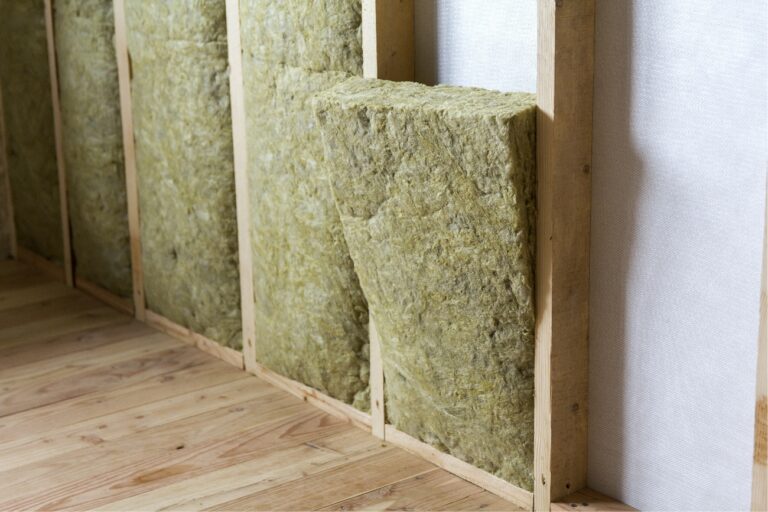
In some cases, insulation improvements may be necessary. Cold external walls often act as condensation magnets. Insulating these walls raises the internal surface temperature and makes condensation less likely. You can learn more about insulation and damp-related repairs on our dedicated page: Damp Surveys & Damp Repairs.
When to call a professional
If your home experiences persistent mould or condensation despite good ventilation and temperature control, it may indicate a deeper issue such as penetrating damp, blocked gutters, failed pointing or a compromised damp-proof course. In these situations, a thorough damp survey is essential.
Our team at Go2 Property Services provides expert diagnostic surveys to identify moisture sources and recommend tailored solutions. Professional evaluation helps prevent unnecessary damage and ensures that your property remains safe, dry and comfortable.
Final thoughts
Condensation, humidity and mould are common issues, but understanding how they interact is key to resolving them. With the right balance of ventilation, temperature control and moisture management, most homes can stay mould-free. For ongoing problems, professional assessment is the most reliable way to protect your property and the health of those living in it.