


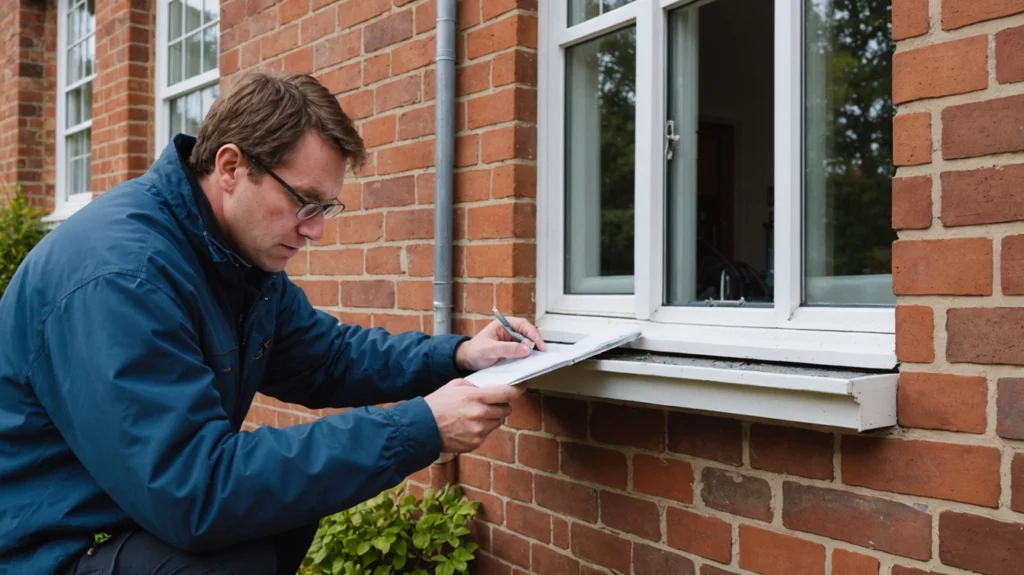
Many homeowners feel relieved after a damp survey because they finally understand what is happening in their home. The next question is just as important: how do you stop the problem coming back? If you have ever redecorated after damp treatment only to see staining or mould return a season later, you will know how frustrating recurring moisture can be. The good news is that you can prevent future damp problems with a combination of practical maintenance, consistent habits and early checks.
This guide explains why damp sometimes returns even after repairs, what to do after a survey, and how to build a simple prevention routine that protects your home long term.
Why damp can return even after treatment
Damp rarely has a single cause. Even when the main issue is fixed, contributing factors can remain. For example, a penetrating damp defect might be repaired externally, but internal surfaces may still be cold and prone to condensation. Or a low-level damp issue may improve, but ground levels and bridging risks remain unchanged.
Common reasons damp returns include:
- External defects repaired, but ventilation and humidity remain unmanaged
- Cold walls creating condensation in the same areas each winter
- Gutters or drainage issues returning after storms or blockages
- Walls replastered or redecorated before they are fully dry
- Bridging issues not fully resolved at the base of walls
If you want a refresher on what surveyors look for and what you learn from a professional inspection, this post is the best starting point: Damp Survey Surrey: When to Book One and What You’ll Learn.
Ventilation habits that prevent future damp problems
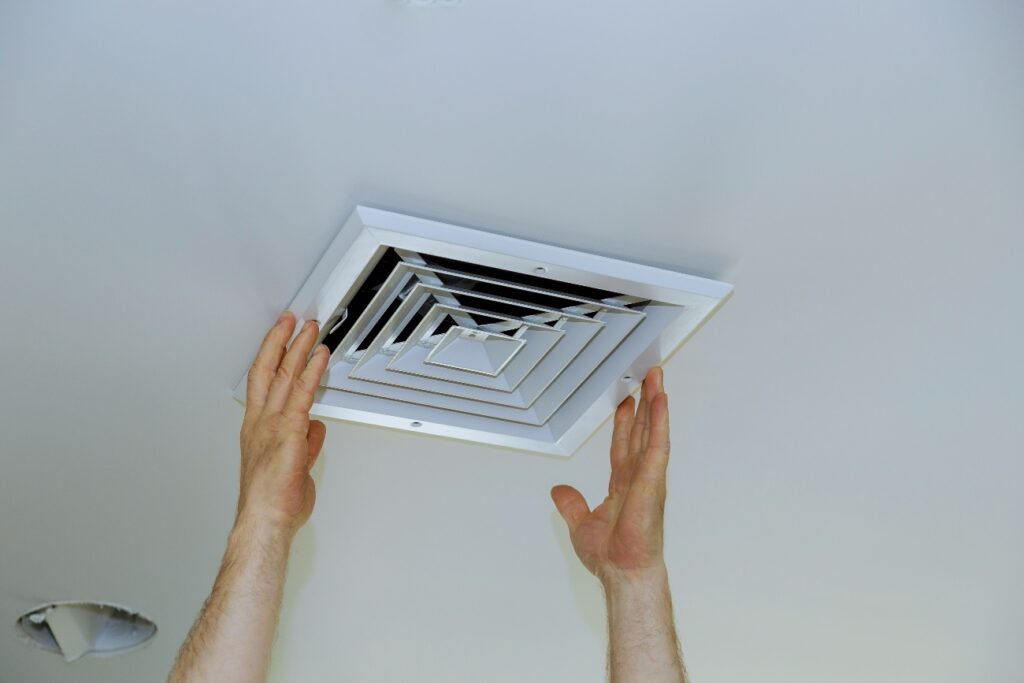
Many recurring issues are linked to trapped moisture rather than water entering the building. Consistent ventilation reduces indoor humidity and helps protect cold surfaces from condensation.
Practical habits that make a difference include:
- Using extractor fans during and after cooking and bathing
- Keeping trickle vents open on modern windows
- Opening windows briefly each day to refresh air, even in winter
- Avoiding drying laundry on radiators where possible
- Keeping furniture slightly away from external walls to allow airflow
Independent guidance on managing airflow and moisture is available here: ventilation advice.
Maintain external walls, gutters and rainwater drainage
Preventing damp often starts outside. Many damp problems worsen because rainwater is not being directed away from the building. A simple external check a few times per year can prevent expensive repairs later.
Key areas to monitor:
- Gutters and downpipes: clear debris and check for leaks at joints
- Brickwork and pointing: look for cracks, gaps and eroded mortar
- Render condition: check for hairline cracks and hollow-sounding sections
- Ground levels: ensure soil, gravel or paving is not bridging the damp-proof course
- Airbricks: keep them clear to maintain sub-floor ventilation

If you are unsure what counts as a warning sign, this checklist is useful: Signs of damp in a house.
Temperature balance and insulation: reducing condensation risk
Cold surfaces are a major trigger for condensation. Even if you have fixed a structural damp issue, cold walls can still attract moisture in winter. Maintaining a steady background temperature and improving insulation where appropriate can make a noticeable difference.
Insulation measures that commonly help include:
- Improving loft insulation to reduce overall heat loss
- Addressing cold external walls with insulation upgrades
- Reducing draughts while maintaining controlled ventilation
For homes with persistent cold wall issues, this may be relevant: Internal wall insulation.
Monitoring: catching issues early
Small moisture issues are far easier to manage than advanced damp damage. A simple monitoring routine helps you spot changes before decoration or plaster begins to fail.
- Check corners, window reveals and external walls monthly during winter
- Photograph any marks or patches so you can compare progress
- Use a basic humidity monitor and aim for around 40–60% relative humidity
- Look behind furniture and inside cupboards on outside walls
This approach prevents guesswork and gives you a clear picture of whether a problem is stable or getting worse.
A seasonal damp prevention checklist
Seasonal maintenance keeps prevention manageable. A simple routine might look like this:
Autumn
- Clear gutters and check downpipes
- Inspect pointing and render before winter weather
- Test extractor fans and improve airflow in bathrooms and kitchens
Winter
- Keep heating steady to reduce cold spots
- Watch for condensation on external walls and behind furniture
- Act quickly if mould appears, and review ventilation
Spring
- Re-check external walls for winter damage
- Address small repairs before they develop into moisture ingress
- Review any persistent internal marks and monitor progress
Summer
- Allow the home to dry and ventilate naturally where possible
- Plan any making-good work once walls are dry and stable
When to call a professional again
Even with good maintenance, new issues can appear. It is worth seeking professional advice if:
- Damp staining returns after redecorating
- Skirting boards soften or plaster breaks down again
- Mould reappears despite improved ventilation
- Damp worsens after rainfall or storms
- You are selling, buying, or need clear evidence of condition
If you want clarity, you can arrange an inspection here: Book a Damp Survey Surrey.
Conclusion
You can prevent future damp problems by treating the survey outcome as a plan rather than a one-off event. Damp prevention is usually a combination of maintaining external fabric, controlling indoor moisture, reducing cold surfaces and monitoring early warning signs.
With a simple seasonal routine and timely professional advice when needed, most homeowners can avoid recurring damp, protect internal finishes and keep their home healthier and more comfortable year-round.
FAQs
Can damp come back after it has been treated?
Yes. Damp can return if contributing factors remain, such as poor ventilation, cold walls, drainage issues or bridging at the base of walls.
What is the best way to prevent future damp problems?
Combine external maintenance (gutters, walls, drainage) with ventilation habits and insulation improvements where appropriate.
Should I book another damp survey if symptoms return?
If damp returns, spreads, or you are unsure of the cause, a survey helps confirm the issue and prevents wasted repairs.