


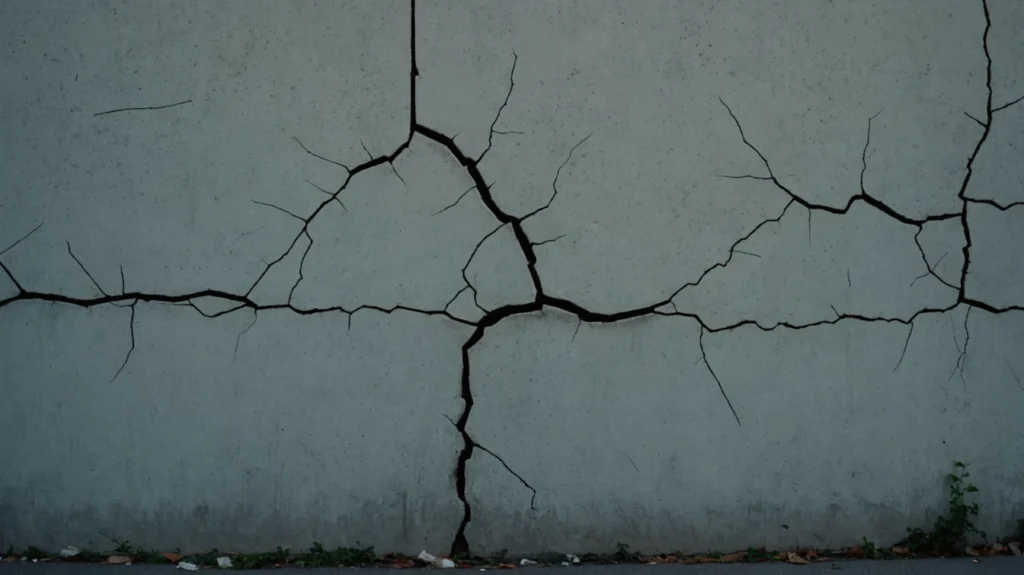
If you’ve spotted a crack in your wall, it’s natural to worry. The first thing to ask is whether you’re looking at hairline cracks vs structural cracks. Hairline cracks are usually cosmetic. Structural cracks can signal movement that needs urgent attention. This guide explains how to tell the difference, common causes, realistic next steps and when to get professional help.
What we mean by hairline cracks and structural cracks
Hairline cracks are very thin (often under 1–2mm) and usually appear in plaster, paint or render. They commonly follow drying, thermal movement or minor settlement. These cracks rarely threaten a building’s stability.
Structural cracks tend to be wider, longer, or follow a pattern that suggests movement — diagonal cracks near corners of windows and doors, stepped cracks in brickwork, or horizontal cracks in walls. These types often relate to foundation settling, subsidence, or serious lateral pressure on walls.
Key signs that a crack may be structural
- Width: cracks wider than 3mm should be monitored; those over 5mm need urgent inspection. The NHBC uses 2mm as a common threshold for cosmetic vs notable cracking. NHBC cracking guidance (PDF).
- Pattern: diagonal, stepped or horizontal cracks often indicate structural movement. Stepped cracks in brickwork along mortar joints are classic subsidence signs.
- Location: cracks near extensions, where a new load meets old walls, or around chimneys and openings merit attention.
- Associated symptoms: doors or windows that stick, sloping floors, or newly opened gaps at skirtings and cornices.
- Progression: if a crack grows in length or width over weeks or months, get a surveyor to assess it.
Common causes of non-structural (hairline) cracking
- Drying shrinkage of new plaster or render.
- Thermal movement — materials expand and contract with temperature changes.
- Minor settlement in a recently built property.
- Poor finishing or taping over joints during decorating.

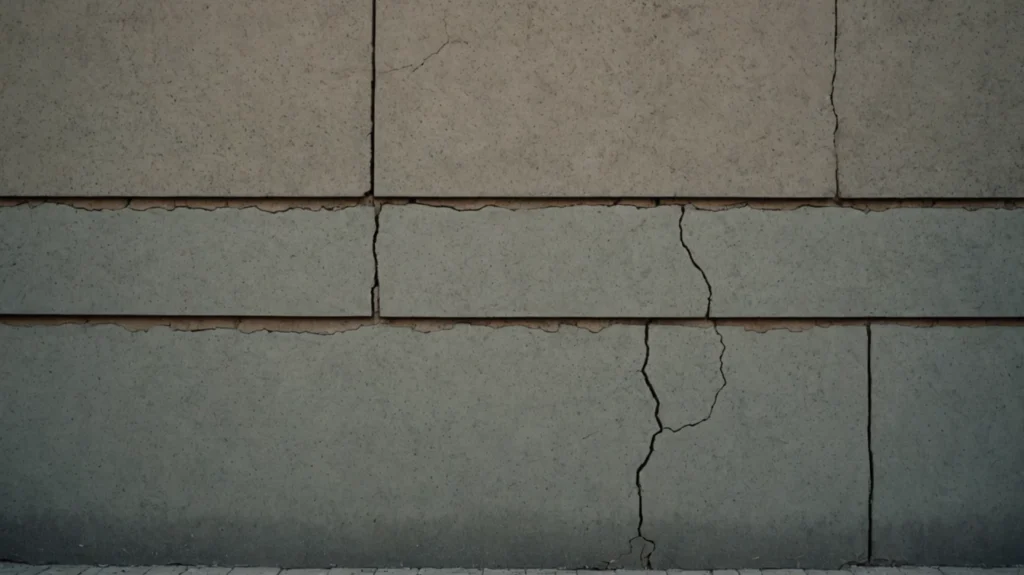
These issues often respond well to simple repairs: a flexible filler, a light re-skim, and a repaint. If the crack reappears, investigate for a hidden cause such as damp or movement.
Causes of structural cracking
- Subsidence caused by soil movement or tree roots.
- Settlement following poor ground compaction or nearby excavations.
- Defective foundations or loss of support (e.g. failing beams).
- Severe penetrating damp or timber decay undermining structural elements.
- Excess lateral pressure from retaining walls or soil.
Historic England advises that where cracks cause bulging, leaning or stones to fracture, you should seek structural advice. Historic England — Repairing walls guidance.
How surveyors assess cracks
Surveyors look at crack pattern, width, and movement. They use monitoring techniques (simple tell-tales or more advanced gauges), moisture testing and sometimes structural calculations. RICS guidance and webinars explain how surveyors classify and report cracking; consider a Level 3 Building Survey for significant concerns. RICS.
Practical steps for homeowners
- Photograph the crack and measure its width (a coin can help estimate mm).
- Mark the ends and date them so you can check for movement over time.
- Check for related signs: sticking doors, sloping floors or damp patches.
- If the crack is under 2mm and stable, monitor and repair cosmetically. See our Plastering services for repairs.
- If the crack is >3mm, diagonal/stepped/horizontal, or accompanied by movement, book a professional survey — consider a structural engineer or RICS surveyor.
Repair options
Non-structural hairline cracks can be filled and redecorated. Structural issues may need underpinning, rebuilding sections, wall ties, or drainage/tree-root removal. Often, repairs include remedial work (e.g. repointing, damp treatment) before plastering. For brickwork repairs and pointing, see our property services.
Costs — realistic UK ranges
- Cosmetic repairs (fill, skim, redecorate): from ~£100–£700 depending on area.
- Minor structural repairs (localised stitch or wall tie): ~£500–£2,000.
- Major structural work (underpinning, rebuilding sections): £2,000–£30,000+ depending on severity and property size.
- Survey fees: RICS/chartered surveyors typically charge £300–£1,200 for detailed surveys; structural engineers vary by scope.
These are indicative ranges. Always get an itemised quotation and an engineer’s report for major works.
When to act now
Arrange professional advice if you see one or more of the following: wide or growing cracks, horizontal cracks, cracks with doors/windows jamming, or signs of structural distortion. Early diagnosis can reduce repair complexity and cost.
Further reading
- NHBC — Cracking in your home (PDF)
- Historic England — Repairing walls
- Designing Buildings — Building movement
FAQs
Are hairline cracks dangerous?
Usually not. Hairline cracks under 2mm are typically cosmetic. Monitor them and repair when redecorating.
How quickly should I act on a structural crack?
Get a professional assessment promptly if the crack is wider than 3mm, grows, or is accompanied by doors sticking or sloping floors.
Who should I call for a serious crack?
Start with a chartered structural engineer or a RICS surveyor. They will diagnose the cause and recommend a repair strategy.
If you’d like, I can tune this post for Yoast (exact keyphrase density checks, shorter sentences) and add internal CTAs linking to our contact page or plastering page.