


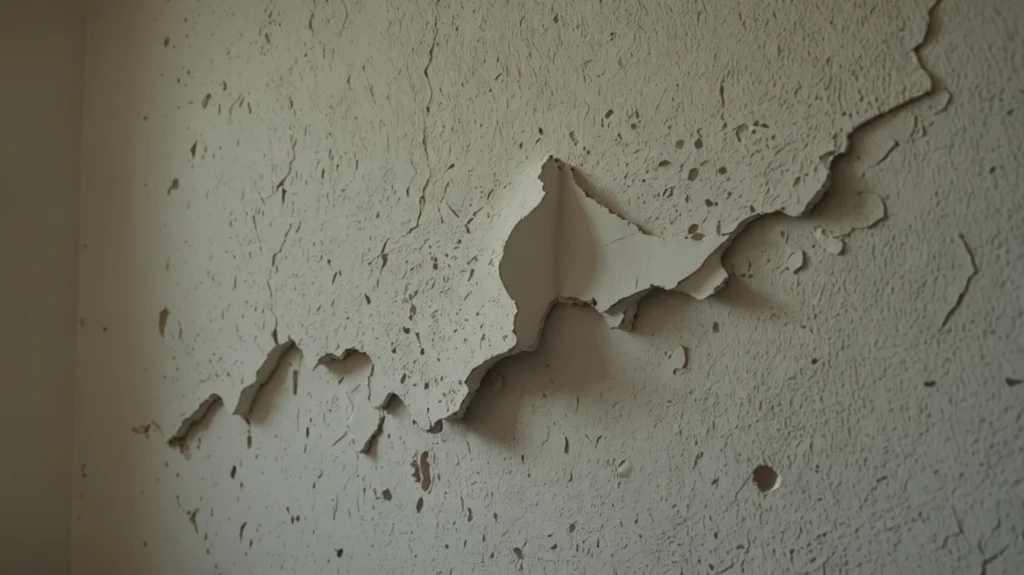
Few things are more frustrating than repainting a room, only to see the paint start peeling, bubbling or flaking again within months. I have visited many homes where owners assumed it was poor paint quality or bad preparation, when in reality the walls were trying to tell them something more important. Peeling paint on walls is rarely just a cosmetic issue. In many cases, it is an early warning sign of an underlying problem that needs attention before redecorating will ever last.
This article explains why paint fails, how to tell the difference between surface issues and deeper problems, and when it is sensible to seek professional advice.
Why paint fails on internal walls
Paint relies on a dry, stable surface to bond properly. When conditions are not right, failure is almost inevitable. The most common reasons paint does not adhere as it should include excess moisture, unstable plaster, temperature changes and incompatible coatings applied over time.
In older homes, layers of paint may have been applied over decades, sometimes without proper preparation. If moisture is present beneath the surface, paint will eventually lose adhesion, no matter how carefully it is applied.
Peeling paint vs bubbling paint: what’s the difference?
Although they look similar, peeling and bubbling paint often point to slightly different issues.
- Peeling paint: Paint lifting away from the surface in sheets or flakes usually suggests poor adhesion or moisture behind the paint film.
- Bubbling paint: Blisters or bubbles form when moisture vapour pushes through the paint layer, commonly linked to damp or condensation.
Both symptoms indicate that repainting alone is unlikely to provide a long-term solution.
When paint failure points to damp
Paint problems frequently appear on external walls, chimney breasts and areas near windows or skirting boards. These locations are more prone to cold surfaces and moisture movement. If paint failure is accompanied by dark patches, salt deposits, mould or a musty smell, damp is often involved.
Low-level peeling can be linked to moisture rising or bridging at the base of walls, while higher-level bubbling may be caused by penetrating damp or condensation. Understanding the pattern is crucial before deciding what to do next.
If you are unsure, this guide outlines common warning signs: Signs of damp in a house.
When the problem is plaster, not damp
Not all paint failure is caused by damp. In some cases, the underlying plaster has broken down. Old or poorly bonded plaster can become powdery or friable, meaning paint has nothing solid to grip onto.
This often happens where walls have been skimmed repeatedly, repaired badly in the past, or damaged during previous moisture issues. In these situations, stabilising or replacing the plaster is necessary before redecorating.
You can learn more about professional solutions here: Plastering.
What to check before repainting
Before decorating again, it is worth carrying out a few basic checks:
- Is the wall cold or damp to the touch?
- Does the paint fail in the same areas repeatedly?
- Are there visible salts, staining or mould?
- Does the plaster sound hollow or powdery?
- Is ventilation adequate in the room?
If the answer to any of these is yes, repainting alone is unlikely to last.
When to book a damp survey
If paint keeps peeling or bubbling despite preparation and redecorating, professional diagnosis is often the most cost-effective next step. A survey can identify whether moisture is entering the wall, condensing on cold surfaces, or trapped behind finishes.
This avoids repeated decoration and ensures that any repairs address the real cause. If you want clarity before spending more money on decorating, you can arrange an inspection here: Book a Damp Survey Surrey.
Why early diagnosis saves money
Paint failure is often one of the first visible signs of a developing issue. Addressing it early can prevent more serious damage to plaster, timber and finishes. Leaving the cause untreated can lead to larger repair costs later, especially if moisture continues to affect the structure.
Independent health guidance also highlights the importance of managing damp and mould in homes: damp and mould can affect health.
Conclusion
Peeling, bubbling or flaking paint is not just an aesthetic nuisance. It is often your home signalling that something beneath the surface needs attention. Whether the cause is damp, condensation or failing plaster, understanding the issue before redecorating saves time, money and frustration.
If paint problems keep returning, a professional assessment can provide the clarity needed to fix the problem properly and restore your walls for the long term.
FAQs
Why does paint keep peeling on the same wall?
Repeated peeling usually indicates moisture or unstable plaster beneath the paint, not a problem with the paint itself.
Can condensation cause bubbling paint?
Yes. Condensation on cold walls can push moisture through paint layers, causing blistering and bubbles.
Should I repaint before fixing damp?
No. Damp should always be addressed first. Repainting without resolving the cause will rarely last.